Analyzing AI-Driven Pattern Recognition Tools That Refine Accumulator Structures During Multi-Sport Events on Portable Platforms
Zara Flores · May 31, 2026
Analyzing AI-Driven Pattern Recognition Tools That Refine Accumulator Structures During Multi-Sport Events on Portable Platforms
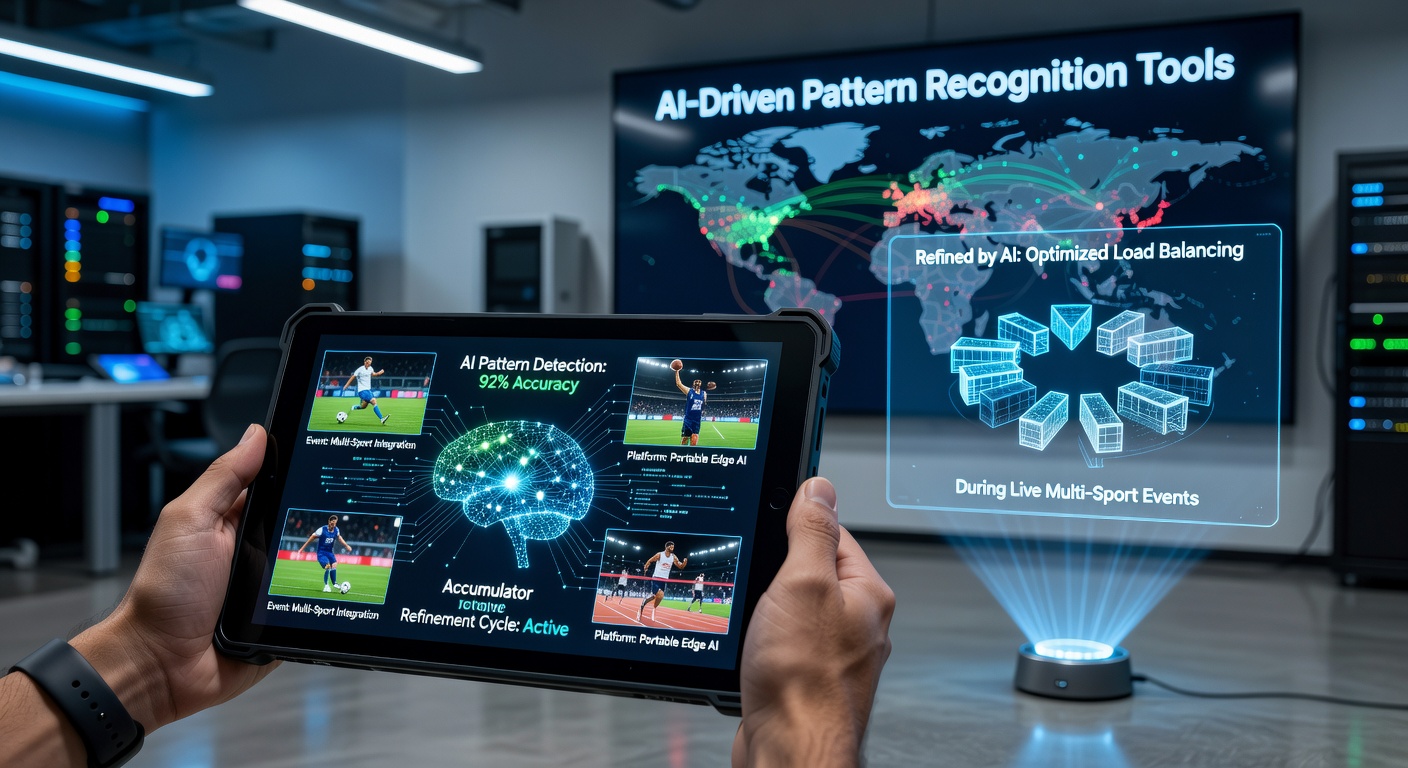
Data from mobile analytics platforms shows that AI-driven pattern recognition tools process live event feeds to adjust accumulator combinations in real time. These systems examine correlations between outcomes in football, basketball, tennis and other disciplines while users follow multi-sport events on smartphones and tablets. Research from the University of Nevada, Reno indicates that such tools identify statistical clusters within historical datasets and current match variables to suggest modifications to bet groupings. Pattern recognition algorithms operate by converting raw performance metrics into structured inputs that machine learning models evaluate continuously. During events spanning several sports, the software tracks variables such as player fatigue indicators, weather shifts and historical head-to-head results. When patterns emerge that deviate from baseline probabilities, the tools propose refinements to accumulator legs, allowing the structure to align more closely with observed trends. Observers note that this process occurs within seconds on portable devices, where processing occurs through optimized on-device models or secure cloud connections.Core Mechanisms in Accumulator Refinement
Accumulator structures combine multiple selections into single wagers with multiplied odds, and AI tools refine these by detecting interdependencies among selections. For instance, when a tennis match and a basketball game occur simultaneously, the system evaluates whether momentum shifts in one event influence probabilities in the other through shared factors like time zones or athlete recovery cycles. Reports compiled in May 2026 by the Australian Communications and Media Authority documented rising integration of these refinement features in licensed mobile applications across regulated markets.
The models employ convolutional neural networks and recurrent layers to analyze sequential data streams from multiple sports simultaneously. Each incoming data point updates probability distributions for remaining legs of an accumulator. Users receive notifications on portable platforms when the tool identifies an opportunity to swap one selection for another that maintains or improves expected value based on current conditions. This capability stems from training on millions of past multi-sport outcomes archived in centralized databases.Mobile Platform Implementation
Portable devices present constraints around battery life and network latency, yet developers address these through edge computing techniques that run lightweight pattern recognition locally. Data shows that in May 2026, adoption of such optimized tools increased among operators serving international users who follow overlapping global sports calendars. The applications maintain synchronization with central servers to incorporate broader dataset updates without interrupting live sessions.
Security protocols encrypt both input data and suggested accumulator adjustments during transmission. Industry organizations such as the Gaming Standards Association have published technical guidelines that emphasize compliance with regional data protection requirements while enabling real-time analysis. Those guidelines outline how pattern recognition outputs remain auditable for regulatory review.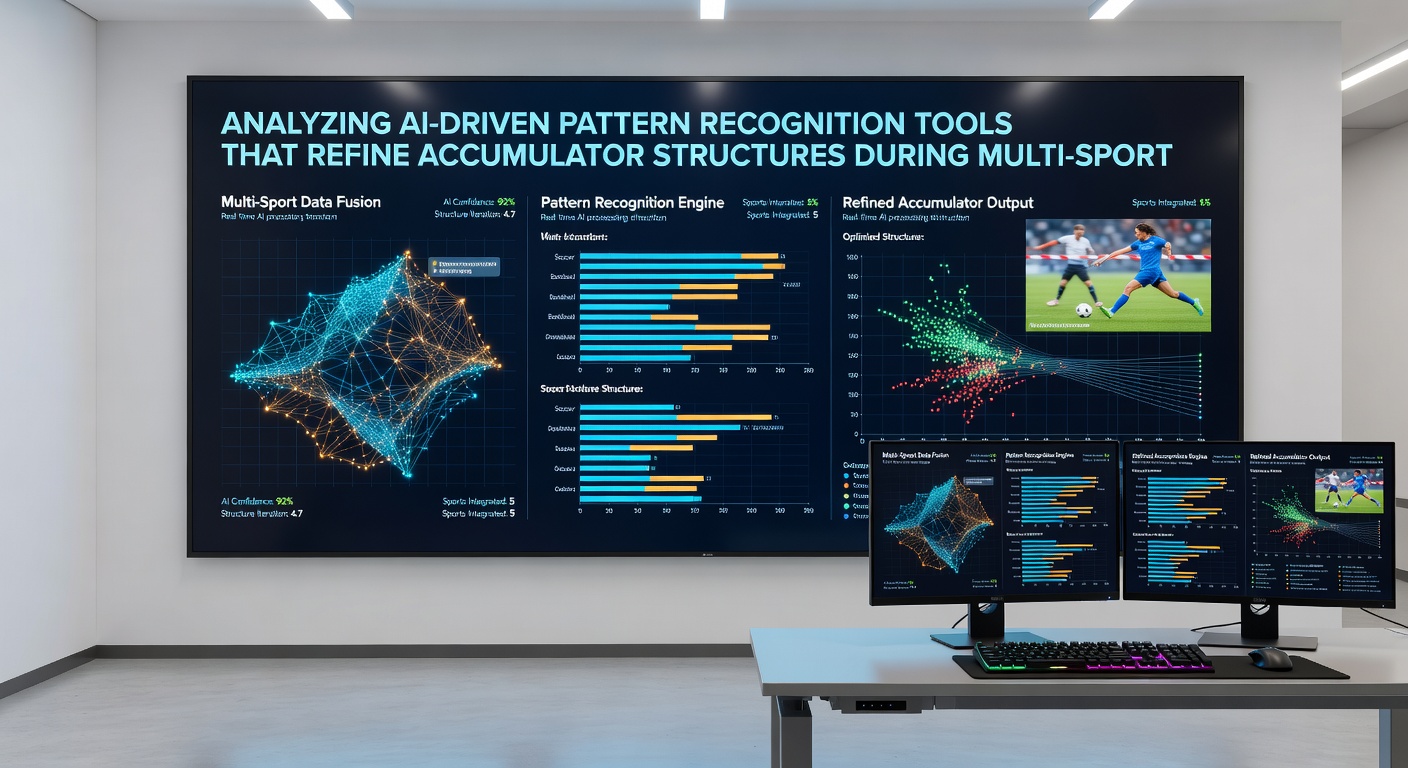
Performance Metrics and Validation Studies
Validation studies compare accumulator outcomes generated with AI assistance against those constructed through manual selection. Figures released by the European Gaming and Betting Association reveal that refined structures demonstrated measurable alignment with final event results across tested multi-sport scenarios. The studies tracked thousands of accumulator instances over several months, focusing on events that crossed different leagues and time zones.
Researchers apply cross-validation methods to ensure the pattern recognition models generalize beyond training data. When new sports or event types enter the system, the algorithms retrain on expanded datasets to maintain accuracy. Portable platform telemetry indicates that users who engage with refinement suggestions experience updates to their accumulator structures without needing to restart the selection process.Integration with Live Multi-Sport Calendars
Multi-sport events often feature overlapping schedules that create complex dependency networks. AI tools map these networks by assigning weighted connections between selections based on shared contextual factors. In practice, the system might detect that a particular football fixture and an ice hockey game share correlated variance due to similar weather patterns in their respective venues, prompting an adjustment to the accumulator composition.
Operators integrate these tools through application programming interfaces that pull live statistics from official sports data providers. The continuous feed allows pattern recognition to operate throughout the duration of each event rather than at fixed intervals. Observers tracking platform metrics in 2026 noted sustained usage during peak periods such as international tournaments that combine several disciplines.Conclusion
AI-driven pattern recognition continues to shape how accumulator structures adapt during multi-sport events accessed through portable platforms. The combination of on-device processing, secure data handling and regulatory alignment supports ongoing development in this area. Data collected through 2026 demonstrates that these tools function within established frameworks while processing live inputs across diverse sporting contexts.