Charting Rule Interpretations That Refine Payout Timelines Across Mobile Platforms and Live Markets
Dana Foster · May 19, 2026
Charting Rule Interpretations That Refine Payout Timelines Across Mobile Platforms and Live Markets
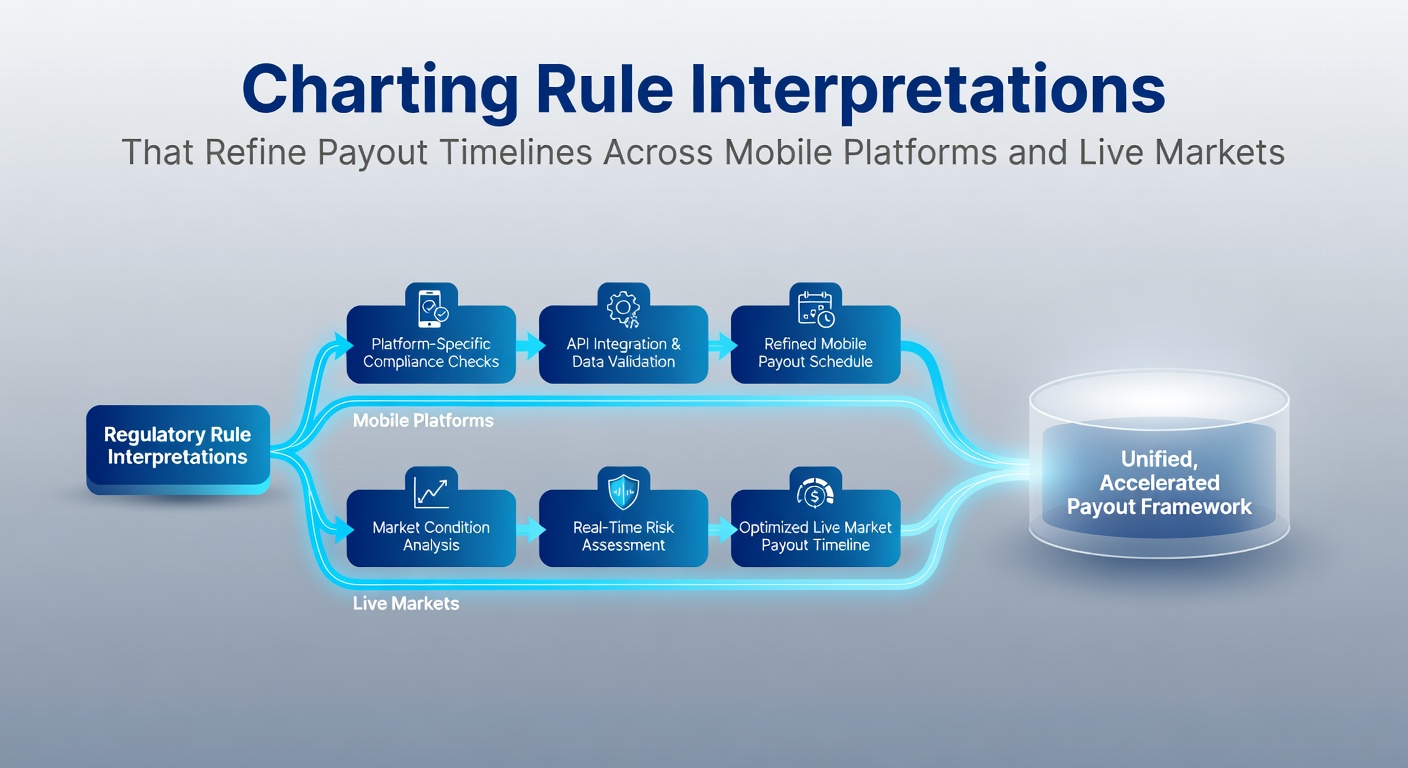
Rule interpretations in gambling markets have evolved into precise frameworks that adjust payout schedules on mobile platforms while accommodating the fast pace of live events, and observers note how these adjustments create measurable differences in settlement speed across operators. Data from regulatory filings shows that platforms now parse event-specific clauses in betting rules to determine exact moments when wagers convert to credits, which shortens wait times for users who place bets during ongoing matches or table games. Those who track industry patterns find that operators rely on standardized language in their terms to handle edge cases such as voided legs in parlays or partial settlements in live propositions, and this approach reduces disputes by aligning code with regulatory expectations.
Regulatory Shifts Shaping Settlement Logic
Changes in oversight structures during early 2026 prompted several jurisdictions to publish guidance on how platforms must interpret payout triggers, and the New Jersey Division of Gaming Enforcement released clarifications that required mobile systems to log rule applications in real time. These updates affect everything from basketball quarter props to in-play card game outcomes, because operators now embed timestamped rule references directly into transaction records. Analysts who review compliance reports observe that similar directives appeared in other regions, creating a patchwork where platforms must maintain separate logic trees for each license they hold.
One study released by researchers at the University of Nevada examined how rule wording influences average payout intervals, and the findings indicated that clearer definitions of “event finality” cut processing delays by measurable margins on both iOS and Android applications. Platforms that adopted the recommended phrasing saw faster reconciliation between live feeds and user accounts, especially when markets closed mid-event due to weather or technical interruptions.
Technical Implementation on Mobile Devices
Mobile applications translate regulatory language into backend scripts that monitor multiple data streams simultaneously, and this dual-checking process ensures payouts occur only after all rule conditions register as complete. Engineers at major providers configure these scripts to recognize variations in live market rules across different sports or game types, which prevents premature settlements while still delivering credits within seconds once confirmation arrives. Users on portable devices often notice the difference during high-volume periods, because optimized code routes requests through dedicated servers that prioritize verified outcomes over queued manual reviews.
Handling Complex Live Market Scenarios
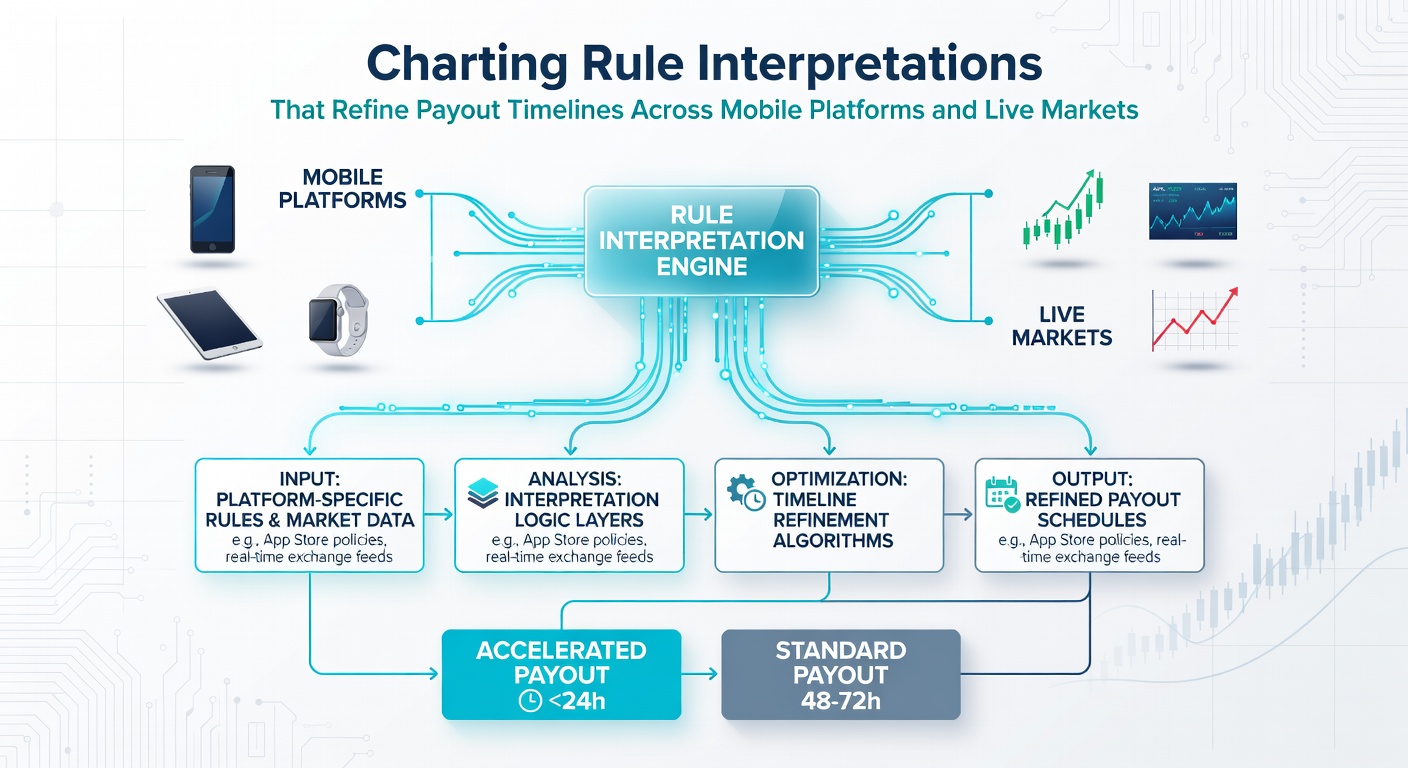
Live markets introduce variables that static pre-game rules never anticipated, so operators now maintain dynamic interpretation layers that update when new data arrives from official sources. For instance, a point spread bet placed during the final minutes of a contest might trigger an immediate payout if the margin exceeds a defined threshold, yet the same wager could enter a review queue if scoring reviews remain pending. Platforms that map these thresholds to regulatory text achieve consistent timelines, and data indicates the approach works equally well for both major league sports and niche live dealer offerings.
Operators also apply layered checks for multi-leg propositions where one segment settles before others finish, and the resulting partial credits appear on user balances without requiring full event completion. This method gained traction after several platforms adjusted their rule sets in response to May 2026 compliance deadlines, allowing quicker fund access while still satisfying audit requirements. Those who monitor transaction logs report fewer reversal requests once these segmented interpretations become standard practice.
Cross-Platform Consistency and User Experience
Consistency across operating systems remains a priority because users switch between phones and tablets during live sessions, and mismatched rule applications can create confusion about when funds become available. Developers therefore synchronize interpretation engines so that payout triggers function identically regardless of device, and this synchronization extends to browser-based access points used on desktop machines. Evidence from platform performance metrics shows reduced support tickets related to timing questions after such alignments were implemented.
Industry groups including the American Gaming Association have published best-practice documents that encourage shared glossaries for common rule phrases, and adoption of these glossaries helps platforms avoid conflicting settlements when users migrate between operators. The result appears in smoother account activity during peak live betting windows, particularly when multiple events overlap on the same evening.
Conclusion
Rule interpretation frameworks continue to tighten payout timelines by embedding regulatory language into automated decision trees that operate across mobile environments and live markets alike. Platforms that refine these systems in line with evolving guidance demonstrate measurable improvements in settlement speed without compromising compliance standards. Observers expect further refinements as additional jurisdictions issue targeted updates, and the ongoing alignment between technical execution and rule clarity should sustain the current trajectory toward faster, more transparent fund releases for participants.