Decoding Eligibility Criteria for Incentives Tied to Real-Time Wager Adjustments on Portable Platforms
Dana Foster · Jun 5, 2026
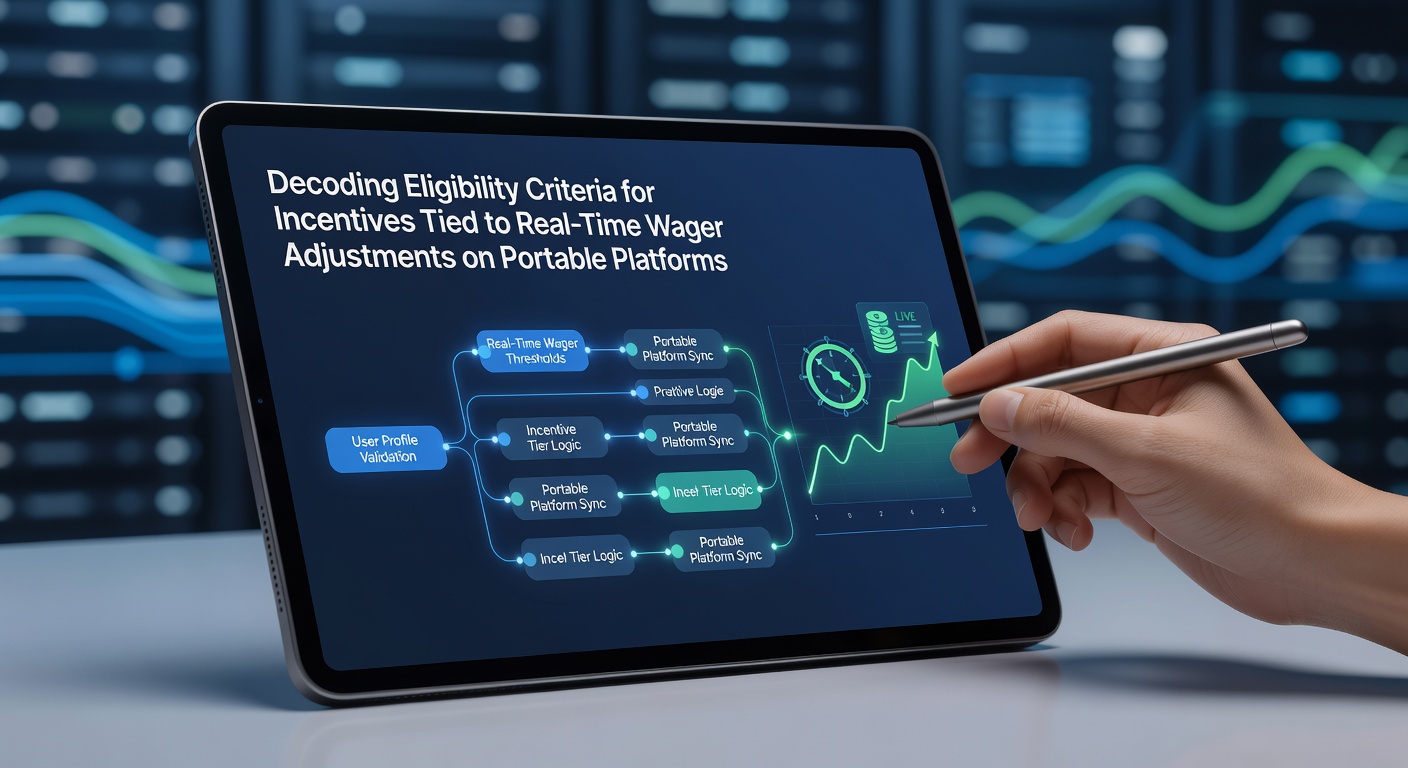
Decoding Eligibility Criteria for Incentives Tied to Real-Time Wager Adjustments on Portable Platforms
Real-time wager adjustments on portable platforms allow users to modify live bets during events through mobile applications and this process connects directly to incentive structures that operators deploy to encourage specific behaviors. Eligibility for those incentives depends on a combination of account status, transaction history, and compliance with platform rules that vary by jurisdiction and operator policy.
Core Components of Real-Time Adjustments
Portable platforms process wager modifications through integrated systems that track bet timing, odds shifts, and user location data in continuous streams, while eligibility criteria often require verified accounts that meet age thresholds and pass identity checks before any incentive activation occurs. Operators link these adjustments to bonus pools where users must satisfy minimum activity levels such as completing a set number of live modifications within defined windows, typically measured in minutes or hours during ongoing matches or games.
Verification and Account Requirements
Account verification stands as the primary gate for incentive access because platforms demand proof of identity, address, and payment method linkage before processing any real-time change that triggers rewards, and data from regulatory filings shows that incomplete verification blocks roughly 15 to 20 percent of attempted adjustments across major markets. Location services must remain active during the adjustment window since geofencing rules restrict participation to approved regions, and failure to maintain connection results in automatic disqualification from associated incentives.
Transaction Flow and Timing Rules
Eligibility calculations incorporate transaction flows where each real-time adjustment counts toward volume thresholds only if it completes within the operator's specified latency parameters, usually under three seconds from initiation to confirmation. Users who adjust wagers during peak volatility periods such as the final minutes of a quarter or set receive priority weighting in some systems, yet the same activity outside those windows may not qualify for teh same incentive tier.

June 2026 brings scheduled updates to several state-level frameworks in the United States that will standardize reporting on adjustment frequency, requiring platforms to log every modification attempt and its outcome for audit purposes. These changes align with broader efforts to increase transparency around incentive distribution and prevent patterns that could indicate automated or scripted activity.
Regulatory Influences Across Regions
Regulators in multiple jurisdictions impose additional layers on eligibility, for instance the New Jersey Division of Gaming Enforcement requires operators to maintain separate audit trails for any incentive tied to live adjustments, while Australian state commissions enforce spending caps that automatically pause incentive accrual once daily limits are reached. Canadian provincial authorities have introduced similar safeguards that tie incentive eligibility to self-exclusion list checks performed in real time before each adjustment processes.
Industry reports from the American Gaming Association indicate that platforms now integrate these regulatory checks directly into their adjustment engines, which reduces processing delays but adds steps that users must complete before incentives apply. Observers note that operators who fail to embed these checks face penalties that include suspension of promotional programs until compliance is verified through third-party review.
Platform-Specific Variations
Different portable platforms apply distinct weighting to eligibility factors, some prioritize volume of adjustments while others emphasize accuracy measured by whether the modified wager improved the user's position relative to final outcomes. Minimum stake requirements range from five dollars on certain applications to fifty dollars on others, and these thresholds reset at the start of each promotional period rather than carrying over across months.
Payment method restrictions further narrow eligibility because many operators exclude certain digital wallets or prepaid cards from incentive calculations tied to real-time changes, directing users instead toward bank-linked accounts that provide clearer transaction trails for compliance monitoring. Those who've studied these patterns across multiple apps often discover that cross-platform users encounter varying rules even when the underlying sporting event remains identical.
Conclusion
Eligibility for incentives connected to real-time wager adjustments on portable platforms rests on verifiable account conditions, precise timing compliance, and adherence to regional regulatory standards that continue to evolve. Platforms that align their systems with these requirements maintain access to promotional tools while meeting oversight expectations from bodies such as the New Jersey Division of Gaming Enforcement and comparable authorities in other markets. As updates scheduled for June 2026 take effect, operators and users alike will navigate a more standardized landscape where eligibility criteria become both more transparent and more strictly enforced through automated platform controls.