Decoding Interlinked Pathways Between Promotional Mechanics and Regulatory Compliance in Wireless Accumulator Markets
Tina Braun · Aug 2, 2026
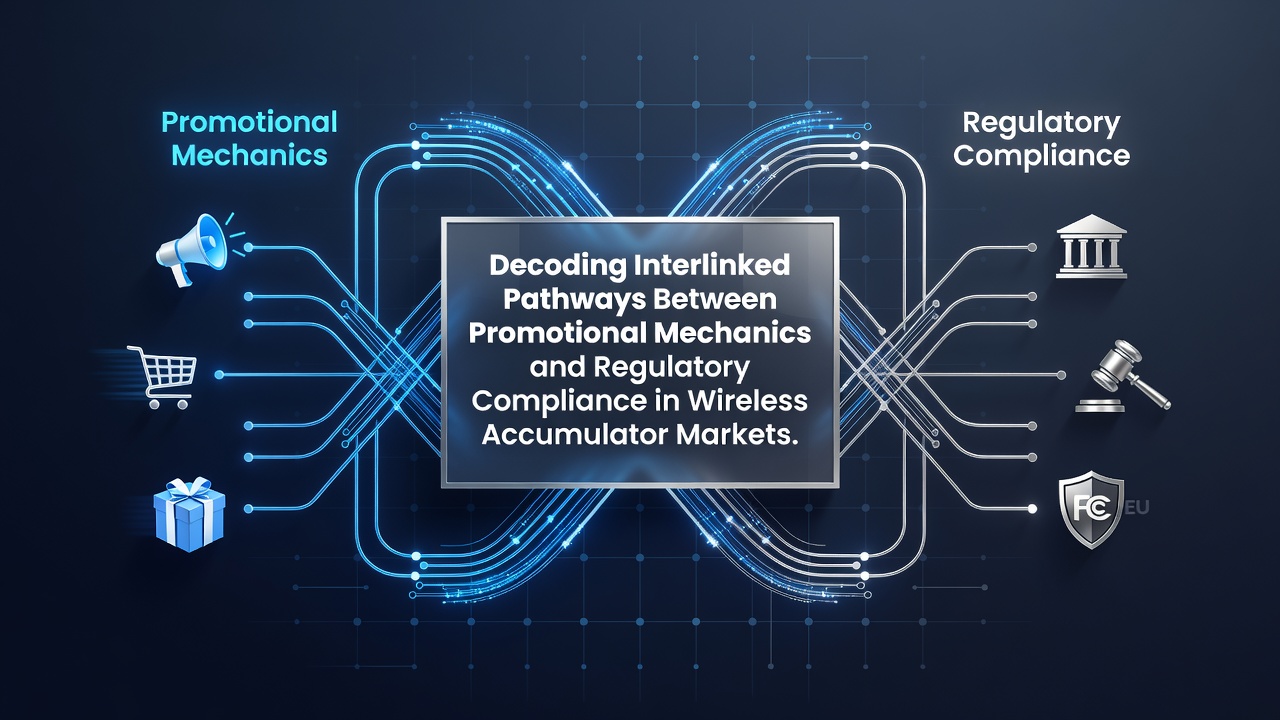
Decoding Interlinked Pathways Between Promotional Mechanics and Regulatory Compliance in Wireless Accumulator Markets
Wireless accumulator markets operate through mobile platforms that combine multiple betting selections into single wagers with multiplied odds, and these systems rely on promotional mechanics such as enhanced accumulator bonuses, cashback offers, and matched stake incentives that must align with regulatory compliance standards across jurisdictions. Regulatory frameworks in various regions require operators to ensure that promotional terms disclose eligibility criteria, payout conditions, and risk warnings without misleading participants, while wireless environments introduce additional layers of complexity through real-time app notifications, location-based targeting, and data encryption protocols. Observers note that these pathways intersect when promotional structures for accumulators incorporate automated compliance checks that verify user age, account verification status, and spending limits before bonus activation occurs.
Promotional Mechanics in Mobile Accumulator Platforms
Promotional mechanics in wireless accumulator markets typically include tiered bonus structures where participants receive incremental rewards for completing accumulator bets with specific leg counts, yet these offers must integrate with regulatory requirements that mandate clear presentation of wagering requirements and expiration periods. Data from industry reports indicate that mobile users engage with accumulator promotions at higher rates during live events, prompting operators to deploy push notifications that link directly to terms pages detailing minimum odds thresholds and voided selection rules. Research indicates that effective pathways emerge when promotional engines automatically flag non-compliant offers, such as those exceeding maximum stake limits set by regional authorities, before they reach user interfaces.
Those who study transaction flows observe that accumulator promotions often bundle with deposit matches or free bet credits, and compliance pathways require these bundles to separate promotional value from principal funds in account ledgers to prevent commingling violations. Figures reveal steady expansion in mobile accumulator volumes through 2026, with platforms adjusting promotional algorithms to incorporate jurisdiction-specific rules on advertising frequency and content restrictions. adn here's where pathways tighten further, because wireless systems transmit location data that triggers different compliance modules depending on whether users access services from regulated or restricted zones.
Regulatory Compliance Frameworks Across Regions
Regulatory compliance in wireless accumulator markets draws from frameworks established by bodies such as the Alcohol and Gaming Commission of Ontario in Canada and the Danish Gambling Authority, each imposing distinct rules on how promotions advertise accumulator potential returns and associated probabilities. These frameworks require operators to maintain audit trails that document every promotional adjustment tied to accumulator structures, including real-time modifications during multi-leg events. According to reports from the National Council on Problem Gambling, compliance monitoring tools now scan mobile app interfaces for language that could imply guaranteed accumulator success, a practice that links directly to promotional design processes.
Pathways between promotions and compliance strengthen when operators embed regulatory rule sets into backend systems that govern bonus issuance, ensuring that accumulator offers exclude participants from self-excluded lists or those exceeding daily deposit caps. As of August 2026, several jurisdictions updated their guidelines to address wireless-specific challenges like in-app deep linking that bypasses full terms disclosure, forcing platforms to route users through compliance gateways before promotional claims activate. Experts have observed that these updates create interlinked verification steps where promotional eligibility checks run concurrently with regulatory reporting obligations.

Interconnections and Data-Driven Adjustments
Interlinked pathways manifest most clearly in data analytics layers that correlate promotional uptake patterns with compliance incident logs, allowing operators to refine accumulator offers based on regulatory feedback loops. Studies from academic research institutions show that mobile accumulator markets experience seasonal spikes where promotional intensity increases, yet compliance systems must scale accordingly to maintain consistent oversight of terms such as stake contribution percentages toward bonus release. Those who've examined platform architectures note that application programming interfaces often connect promotional engines directly to regulatory submission portals, enabling automated reporting of accumulator bonus distributions.
But here's the thing: wireless environments introduce latency variables that can delay compliance confirmations during peak accumulator betting periods, prompting developers to build redundant verification nodes that prioritize regulatory checks over promotional delivery speed. Research indicates that successful alignment occurs when promotional mechanics incorporate dynamic odds adjustments that reflect both market conditions and compliance-mandated risk disclosures. Observers note examples where platforms adjusted accumulator bonus caps mid-event to align with updated regulatory guidance on exposure limits, demonstrating the fluid nature of these pathways.
Case Examples from Operational Practices
One documented case involved a North American operator that integrated geofencing technology into its mobile accumulator promotions, ensuring that bonus offers activated only after real-time regulatory zone verification confirmed user eligibility under local rules. Another instance from European markets highlighted how accumulator cash-out features within promotions required separate compliance pathways to distinguish between promotional credits and user-funded stakes during partial settlement processes. Data shows that such integrations reduce instances of disputed claims by maintaining synchronized records across promotional and regulatory databases.
What's interesting is how these cases reveal broader patterns where wireless accumulator markets benefit from modular compliance architectures that adapt promotional rules without requiring full system overhauls when regulations shift. Platforms that embed these modules report smoother operational continuity, particularly when handling multi-jurisdictional user bases that access services through single mobile applications.
Conclusion
The interlinked pathways between promotional mechanics and regulatory compliance in wireless accumulator markets continue to evolve through integrated technological solutions and jurisdiction-specific adaptations. Data from multiple regulatory sources demonstrate that platforms achieving effective synchronization maintain detailed documentation of every promotional element, from initial offer creation through final settlement, while adhering to wireless transmission standards. Observers note that ongoing developments in August 2026 and beyond will likely emphasize automated compliance verification as a core component of accumulator promotion design, supporting transparent operations across mobile environments.