Decoding Transaction Verification Steps in In-Play Table Game Tipping on Handheld Platforms
Ben Schulz · Jul 17, 2026
Decoding Transaction Verification Steps in In-Play Table Game Tipping on Handheld Platforms
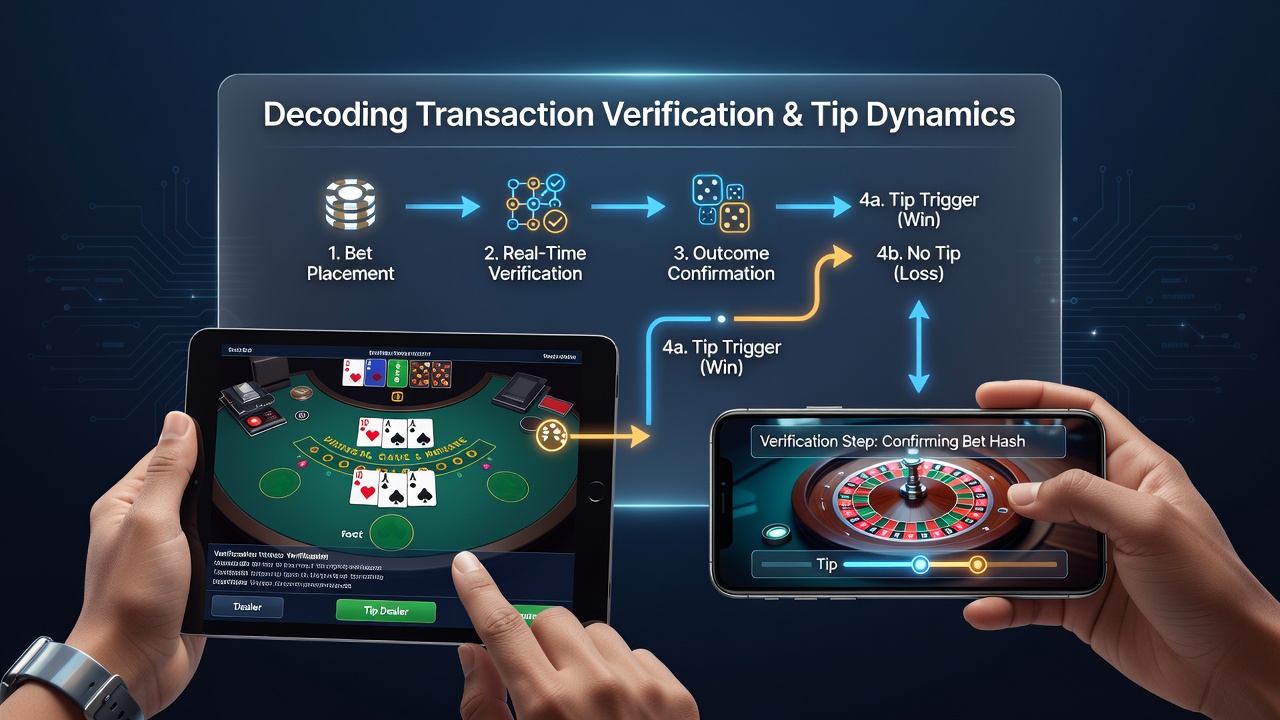
Transaction verification processes on handheld platforms shape tip application timing during live table game sequences, and operators manage these steps through layered authorization protocols that run alongside real-time betting actions. In-play table games such as blackjack and roulette require continuous data exchange between the device and backend systems, while verification checks confirm payment method validity, account status, and regulatory compliance before any additional funds move. Observers note that these checks often insert brief pauses that coincide with moments when players select tip amounts for dealers or croupiers, and the sequence determines whether the tip processes immediately or queues until the next verification cycle completes.
Core Verification Layers in Mobile Table Game Sessions
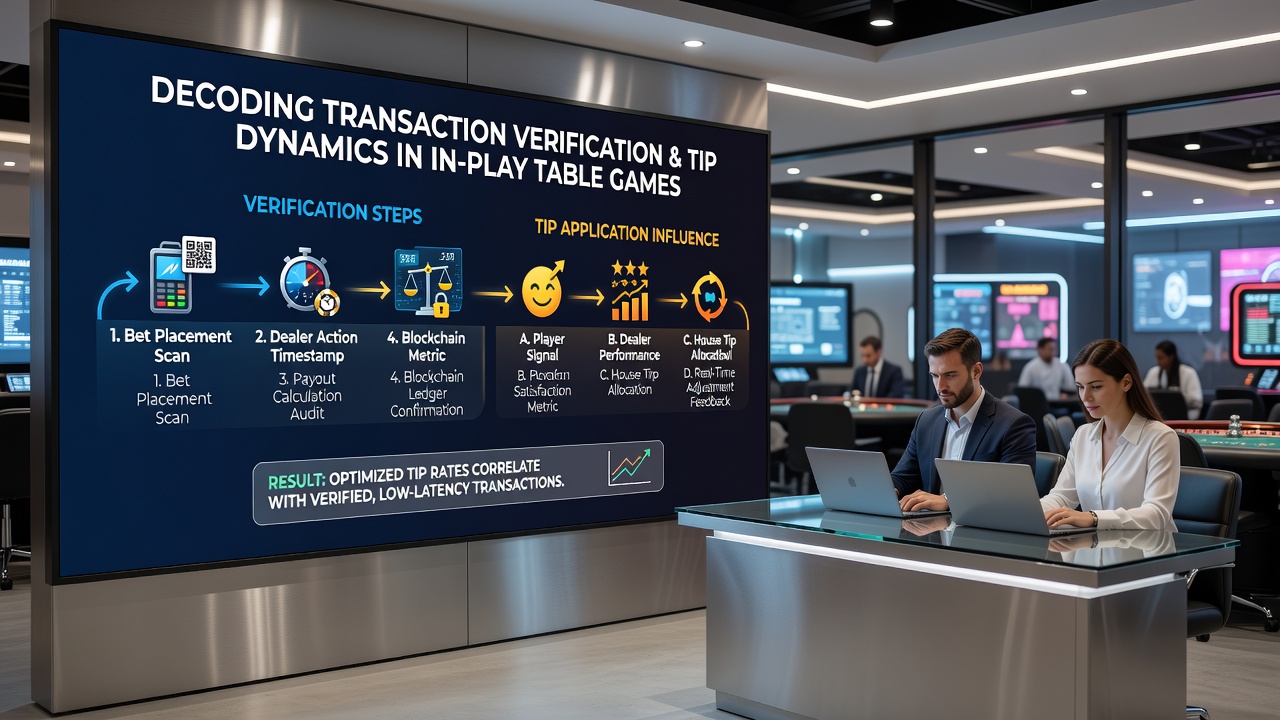
Handheld platforms typically execute multiple verification stages in quick succession during in-play sequences, and each stage adds a distinct data checkpoint that influences tip routing. Initial device-level authentication confirms user identity through biometrics or PIN entry, while payment gateway authorization validates available balance and applies fraud scoring models. Researchers tracking platform behavior report that tip selections entered during the authorization window sometimes experience a short delay because the system prioritizes primary wager settlement first, then releases secondary transactions such as tips once the main bet clears. This ordering maintains ledger integrity across the session and prevents partial balance discrepancies that could arise from simultaneous tip and wager movements.
Impact on Real-Time Tip Application Timing
Data from multiple regulated markets shows that verification duration directly correlates with tip processing speed, and sessions with higher fraud risk scores encounter additional manual review steps that extend the interval before a tip reaches the dealer account. In sequences where players adjust bets frequently, the platform may batch verification requests to reduce latency, allowing tip commands to ride alongside the next wager confirmation rather than triggering an independent check. Those who monitor live casino traffic on portable devices find that this batching approach keeps tip application responsive even when primary transaction volumes spike during peak evening hours.
July 2026 platform updates introduced refined tokenization methods that shorten verification windows for repeat users, and operators integrated these changes to align tip functionality more closely with in-play action. The adjustments reduced average verification time by several seconds in documented test environments, which in turn allowed tip selections to register within the same game round rather than carrying over to the subsequent hand or spin.
Regional Regulatory Influences on Verification Protocols
Regulatory frameworks across different jurisdictions establish baseline requirements for transaction checks, and these rules affect how platforms schedule tip processing during continuous play. The Nevada Gaming Control Board outlines standards that require real-time balance verification before any gratuity transfer, while Australian state regulators emphasize consumer protection measures that include explicit confirmation screens for all secondary payments including tips. Platforms serving multiple regions therefore maintain configurable verification sequences that adapt to the strictest applicable ruleset for each user location.
Industry reports from the American Gaming Association indicate that standardized verification templates help operators maintain consistent tip application behavior across devices, and this consistency supports smoother dealer compensation flows in multi-jurisdiction deployments. When verification steps detect a potential anomaly such as unusual betting velocity, the system may isolate the tip transaction for separate review while allowing the core game sequence to continue uninterrupted.
Device-Level Factors That Interact With Verification
Network conditions on handheld devices introduce additional variables that interact with server-side verification steps, and intermittent connectivity can cause queued tip requests to re-enter the verification pipeline upon reconnection. Platforms counter this through local caching mechanisms that store tip instructions temporarily and then submit them once stable connectivity returns, yet the re-submission still triggers a fresh authorization cycle. Observers tracking mobile usage patterns note that users on high-latency connections encounter more frequent tip delays compared with those on stable 5G or Wi-Fi networks.
Operating system updates also influence how verification data transmits between the app and backend servers, and developers adjust API call ordering to preserve tip responsiveness even when security patches add extra encryption layers. These technical refinements demonstrate how device software and regulatory verification requirements converge to shape the final timing of tip delivery during live table game play.
Conclusion
Transaction verification steps remain integral to secure tip application on handheld in-play table game platforms, and the interaction between authorization cycles, regulatory standards, and device conditions determines how smoothly gratuities reach dealers during active sequences. Continued platform refinements in 2026 and beyond focus on reducing friction points while preserving compliance, which supports uninterrupted play and accurate compensation tracking across regulated markets.