How Eligibility Protocols for Incentives Shift During Portable Multi-Game Sequences
Avery Bennett · Jun 19, 2026
How Eligibility Protocols for Incentives Shift During Portable Multi-Game Sequences
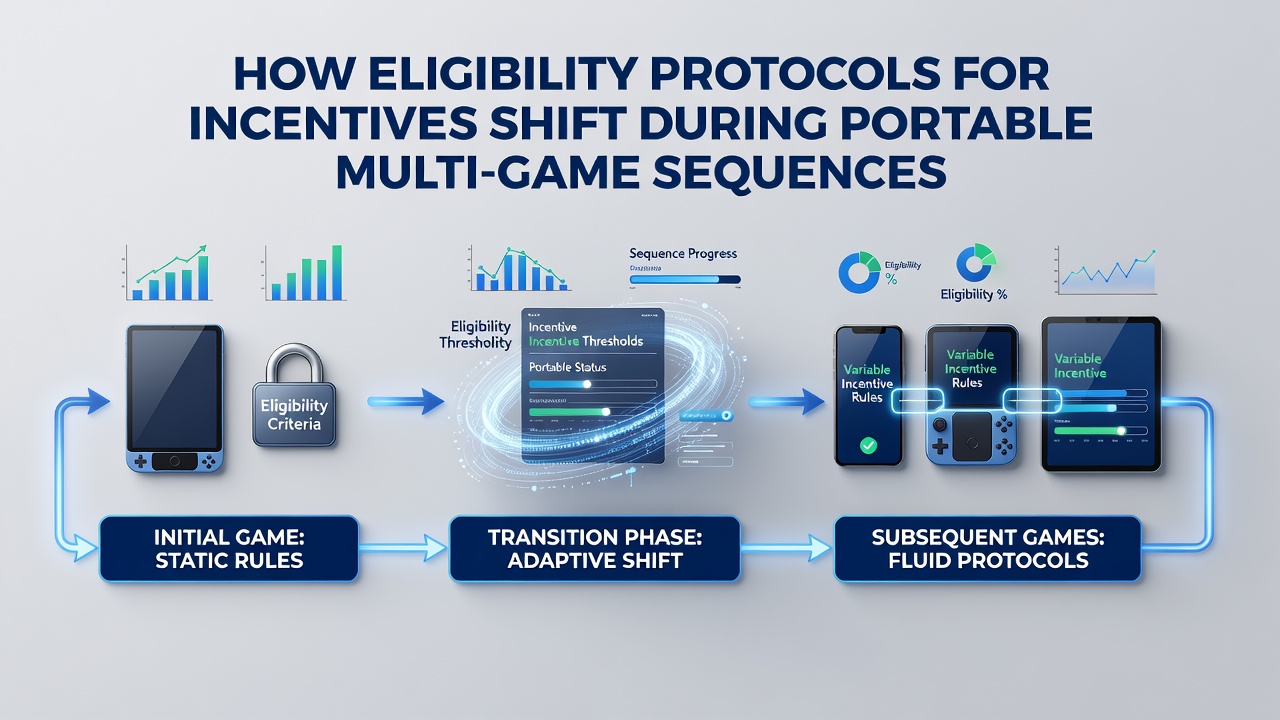
Portable multi-game sequences occur when users move between different wagering formats on a single mobile session, such as switching from slots to live dealer tables then to sports props, and eligibility protocols for incentives adjust accordingly to maintain compliance across platforms. Data from industry monitoring shows these shifts happen because each game type carries distinct contribution rates toward bonus wagering requirements, which means protocols recalibrate automatically once a player initiates a new title.
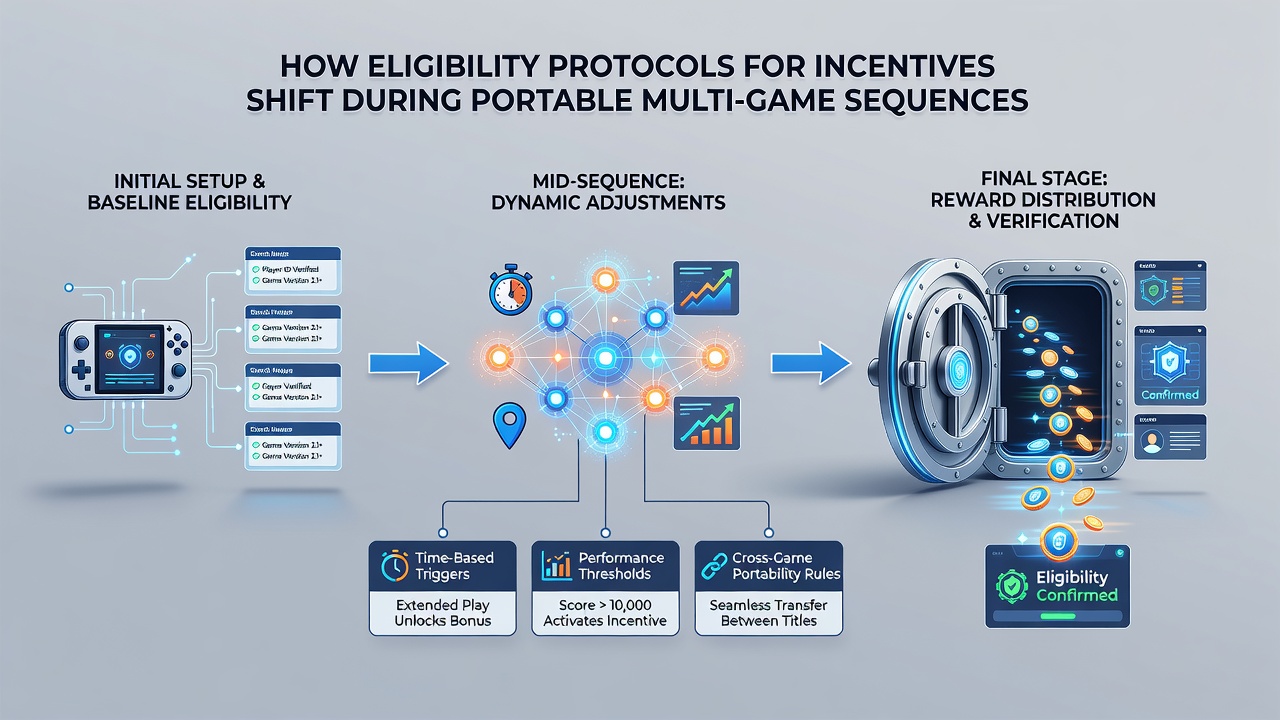
Initial login triggers baseline eligibility checks that verify account status, deposit history, and geographic restrictions before any incentive activates. Once a sequence begins, the system tracks cumulative playtime and wager types, then applies updated rules that can reduce or extend remaining requirements based on the proportion of qualifying bets placed in each segment.
Core Mechanics Behind Protocol Adjustments
Systems register every transition between games and recalculate incentive status in real time, which means a bonus tied to slot play may lose partial eligibility when the user enters a sports betting module unless the protocol explicitly permits cross-category contributions. Research indicates that operators configure these rules through backend parameters that reference both game classification codes and regional licensing terms, ensuring the protocol remains synchronized with the user's current activity stream.
Contribution percentages vary by product, so a blackjack round might count at 20 percent toward a slots-focused bonus while a roulette spin counts at 50 percent, and the protocol applies these weights instantly upon bet settlement. Observers note that sequences lasting beyond a set duration often trigger secondary reviews that can freeze further accrual if the player exceeds daily loss limits tied to the original incentive.
Regulatory Frameworks Guiding the Changes
Multiple jurisdictions require operators to document how eligibility rules adapt during extended mobile sessions, and compliance reports filed with bodies such as the New Jersey Division of Gaming Enforcement detail the exact algorithms used for real-time recalculation. In June 2026 several platforms introduced updated logging modules that capture transition timestamps alongside wager data, which allows regulators to verify that no incentive terms were altered mid-sequence without proper disclosure.
Australian oversight through the Australian Communications and Media Authority similarly mandates clear notification when eligibility thresholds reset after a user moves from one game category to another, and operators must display updated progress indicators within the app interface. These requirements stem from broader consumer protection standards that treat each game segment as a distinct activity phase even within a continuous session.
Technical Implementation in Mobile Environments
Backend engines use session identifiers that persist across app screens, allowing the protocol to maintain continuity while still applying category-specific filters at each transition point. When a player completes a sports wager and immediately opens a video poker variant, the system queries a rules engine that cross-references the remaining bonus balance against the new game's weighting table and adjusts the displayed requirement accordingly.
Push notifications often accompany these adjustments, informing users of any change in status without interrupting gameplay flow. Studies conducted by gaming analytics firms reveal that sequences involving three or more distinct titles generate the highest volume of protocol recalibrations, with most changes occurring within the first ninety seconds after each switch.
Player Behavior Patterns and Sequence Length
Usage logs demonstrate that shorter sequences under fifteen minutes rarely encounter major eligibility shifts because most incentives apply uniform rules during brief windows, whereas longer sessions crossing multiple categories produce layered adjustments that reflect the cumulative mix of wager types. Protocols frequently incorporate time-decay functions that gradually lower contribution rates for earlier games once newer segments dominate the session history.
Operators track these patterns to refine their rules engines, and data aggregated across platforms shows that users who alternate between table games and instant-win formats experience the most frequent protocol updates. The adjustments maintain fairness by ensuring that incentive terms reflect the actual risk profile of the combined activity rather than treating the entire sequence as a single game type.
Conclusion
Eligibility protocols for incentives continue to evolve in response to the increasing complexity of portable multi-game sequences, with automated systems handling recalculations that align with both operator policies and external regulatory demands. As mobile platforms expand their game libraries, the mechanisms tracking transitions and contribution weights provide the foundation for consistent incentive management across extended sessions.