Impacts of Funding Choices on Execution of Live Betting Strategies in Mobile Environments
Zara Flores · Aug 4, 2026
Impacts of Funding Choices on Execution of Live Betting Strategies in Mobile Environments
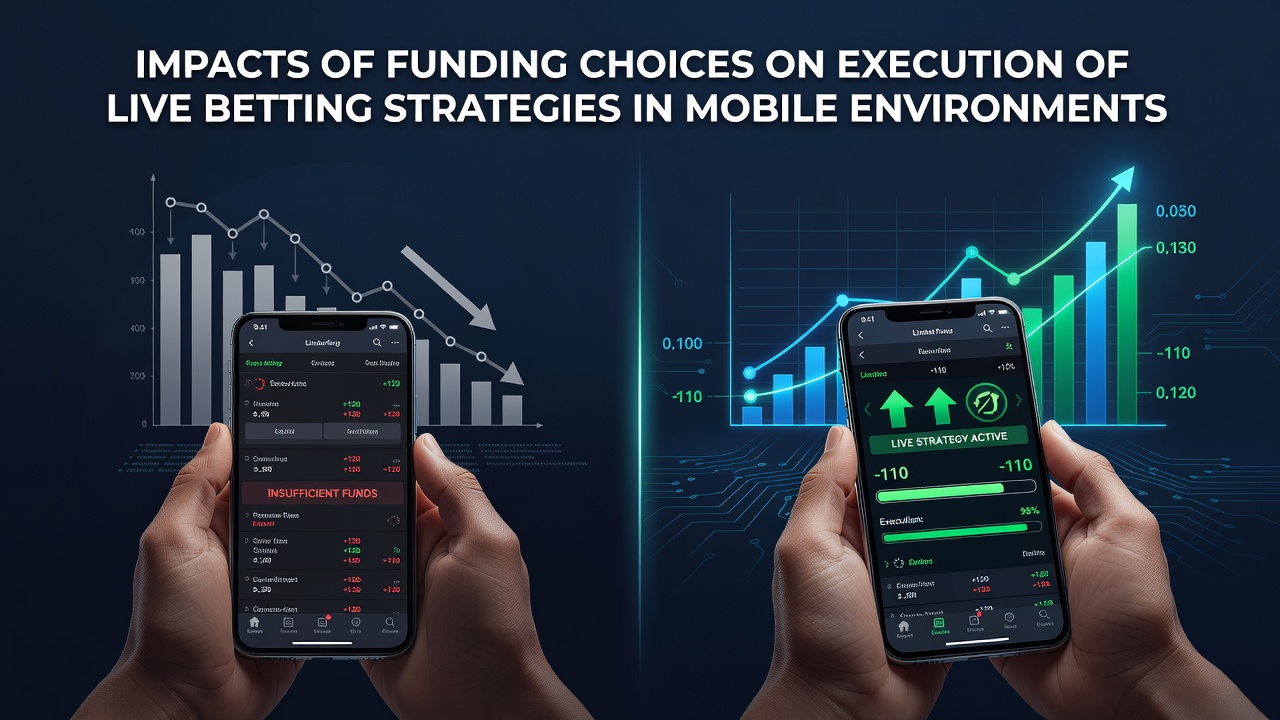
Funding choices shape how bettors manage resources during live events on mobile platforms, where transaction speed and available payment methods determine whether strategies can adapt to shifting odds in real time. Observers note that deposit methods such as e-wallets, bank transfers, and prepaid cards carry different processing times, which directly influence the ability to place additional wagers or adjust positions mid-event. Data from industry reports indicate that users who rely on instant funding options maintain greater flexibility when markets move quickly, whereas slower methods limit opportunities in fast-paced environments like live basketball or soccer markets.
Payment Methods and Their Processing Characteristics
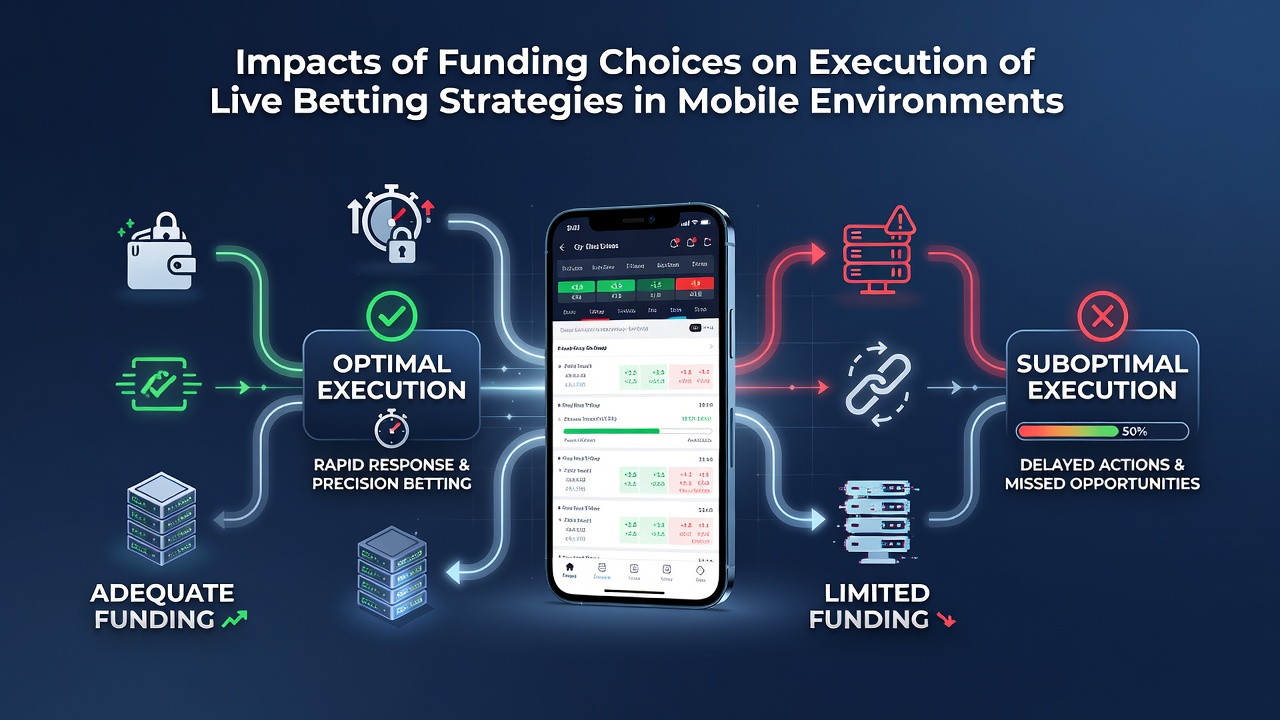
Bank transfers often require several hours for clearance, which creates delays when bettors attempt to replenish balances after a series of losses or when capitalizing on emerging opportunities. In contrast, digital wallets and instant card deposits complete within seconds, allowing continuous participation without interruption. Researchers at various gaming analysis firms have documented that mobile users who select instant options execute an average of 15 percent more live wagers per session compared with those using traditional banking routes. August 2026 figures from North American operators showed increased adoption of these faster methods coinciding with expanded mobile live betting offerings across multiple states.
Strategic Implications for Live Markets
Live betting strategies frequently depend on rapid capital deployment, especially when odds fluctuate after key events such as goals, timeouts, or player substitutions. Those who maintain pre-funded accounts through instant methods avoid the risk of missing favorable lines because funds arrive too late. Experts have observed that bettors employing accumulator structures on mobile devices benefit particularly from seamless funding, since adding legs requires immediate balance availability. Slower funding pathways can force users to pause activity, allowing odds to shift before the next wager is placed and thereby altering expected returns.
Mobile Platform Constraints and Transaction Flows
Mobile environments introduce additional variables including network latency, app session timeouts, and device-specific payment integrations that compound the effects of funding choices. Studies from academic research centers have shown that users on 5G networks paired with instant wallets experience fewer failed transactions than those on older connections using slower methods. When funding delays occur, bettors may resort to conservative staking patterns to preserve existing balances rather than pursuing aggressive adjustments. This behavioral shift alters overall strategy execution across sessions lasting several hours.
Regional Regulatory Influences on Funding Options
Regulatory frameworks in different jurisdictions affect which funding methods operators can offer and how quickly they process. According to data released by the Pennsylvania Gaming Control Board, operators in that state must maintain specific standards for transaction transparency that favor certain digital methods over others. Similar patterns appear in Australian state regulations, where research from the Australian Institute of Criminology highlights correlations between approved payment types and user retention in live markets. These rules create environments where funding choices become strategic decisions rather than mere logistical preferences.
Case Examples from Multi-Event Sessions
Take one documented scenario involving a multi-sport evening where a bettor using instant funding completed six sequential live wagers across tennis and baseball markets without interruption, while another user relying on bank transfers missed two opportunities due to clearance delays. Figures reveal that such differences accumulate over time, affecting overall session profitability and strategy refinement. People who track transaction histories often discover patterns showing which funding routes align best with their preferred event types and betting frequencies.
Conclusion
Funding choices ultimately determine the operational boundaries within which live betting strategies unfold on mobile platforms. Transaction speed, regulatory compliance, and device compatibility combine to shape whether bettors can respond dynamically or must adopt more static approaches. Data continues to accumulate showing measurable differences in execution outcomes tied directly to these initial selections, providing operators and users alike with concrete factors to evaluate when configuring mobile wagering setups.