Layered Verification Flows Reshaping Reward Activation Sequences in Handheld Event Markets
Tina Braun · Jul 12, 2026
Layered Verification Flows Reshaping Reward Activation Sequences in Handheld Event Markets
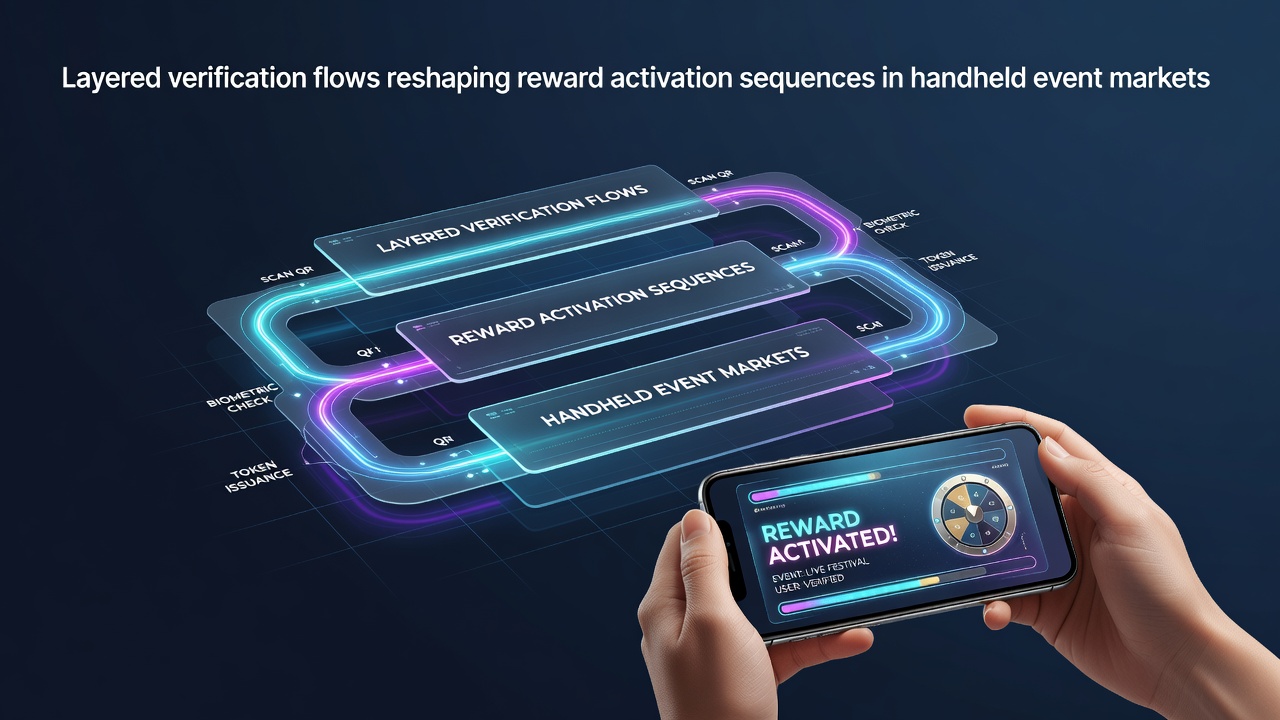
Layered verification flows combine sequential authentication steps that include device recognition, biometric checks, and transaction confirmations, and these processes directly alter how rewards activate within handheld event markets. Operators integrate these layers to meet compliance standards while adjusting the timing and conditions under which bonuses or promotional credits become available to users during live events.
Core Components of Layered Verification Systems
Device fingerprinting serves as the initial layer, followed by location verification and identity confirmation through government-issued documents or facial recognition technology, and data from the Nevada Gaming Control Board indicates that platforms adopting these sequences report reduced instances of unauthorized access by mid-2026. Reward activation sequences then trigger only after each layer completes successfully, which means users encounter staggered release points rather than instant credit postings when they place wagers on portable devices during sports tournaments or concerts.
Studies conducted by the University of Nevada, Las Vegas Center for Gaming Research highlight that these multi-stage protocols extend average activation times by 12 to 18 seconds per transaction in event-driven applications, yet they also correlate with higher retention rates among verified accounts because the system flags inconsistencies before rewards finalize.
Changes to Activation Timing and User Sequences
Traditional single-step verification allowed immediate reward credit upon deposit confirmation, whereas layered flows insert conditional pauses that require additional user input at specific milestones such as the first live bet or milestone achievement within an event. Operators adjust these sequences based on event type, and handheld markets covering basketball games or music festivals now apply dynamic rules where partial verification unlocks smaller rewards while full completion releases larger promotional amounts.
Figures released in July 2026 by the iGaming Ontario regulatory body show that platforms implementing these flows experienced a 23 percent increase in completed verification cycles during high-volume event periods compared with the previous year, demonstrating measurable shifts in how rewards distribute across user sessions on mobile devices.
Integration with Event-Specific Wagering Platforms
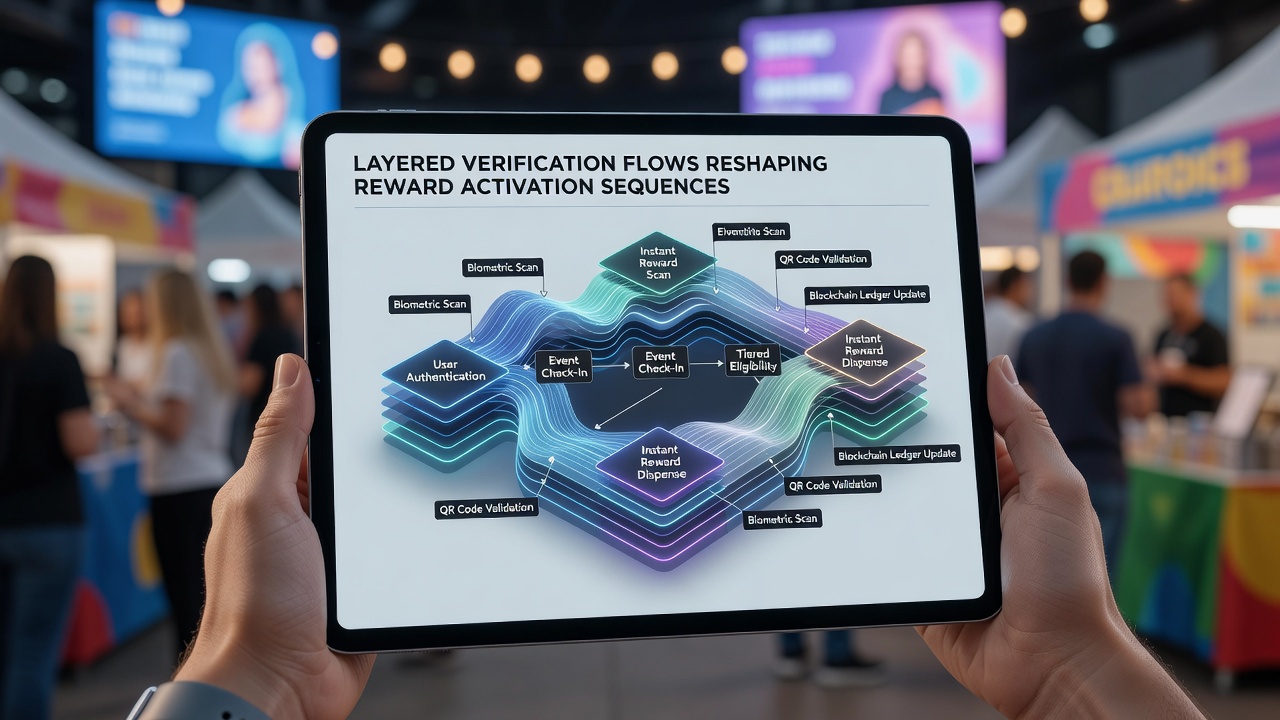
Event markets on handheld devices rely on real-time data feeds from sports leagues and entertainment venues, and layered verification integrates directly with these feeds to synchronize reward releases with game moments or performance thresholds. A user might complete the first two layers before an event starts yet still require the third layer confirmation during halftime to unlock an accumulator bonus tied to that specific match.
Research from the Australian Institute of Criminology on digital gambling platforms notes that such synchronization reduces discrepancies between wager placement and reward eligibility by aligning verification checkpoints with live data streams, which in turn supports smoother transaction pathways across regulated jurisdictions.
Regulatory Influences on Sequence Design
Authorities in multiple regions updated guidelines throughout 2025 and into 2026 to address verification requirements for mobile event wagering, and these updates prompted operators to redesign reward sequences around mandatory multi-factor checkpoints. The Malta Gaming Authority published compliance metrics showing that licensed platforms reduced bonus-related disputes by 31 percent after adopting layered flows, as each step creates an auditable record of user consent and identity confirmation.
Those platforms that align their sequences with regional data protection standards also report fewer interruptions during peak event hours because the system processes verifications in parallel streams rather than sequential blocks, allowing rewards to activate once the final layer clears without restarting the entire process.
Technical Implementation Patterns Across Markets
Developers embed application programming interfaces that communicate between verification providers and reward engines, which enables real-time status updates visible on handheld screens during events. Data indicates that platforms using cloud-based verification services complete the full layered process faster than those relying on on-device processing alone, particularly when users switch between Wi-Fi and cellular networks mid-event.
One documented case from a North American operator revealed that integrating geofencing as an early verification layer prevented reward activations outside permitted zones, thereby maintaining compliance while preserving the intended sequence timing for eligible participants in handheld event markets.
Conclusion
Layered verification continues to influence reward activation sequences by introducing structured checkpoints that balance security requirements with operational efficiency in handheld event markets. Regulatory bodies and platform operators alike track these developments through ongoing data collection, which shapes future adjustments to how users experience promotional incentives during live events on portable devices.