Regulatory Adjustments Shaping Payout Verification Sequences Across Portable Event Wagering Networks
Avery Bennett · Jul 28, 2026
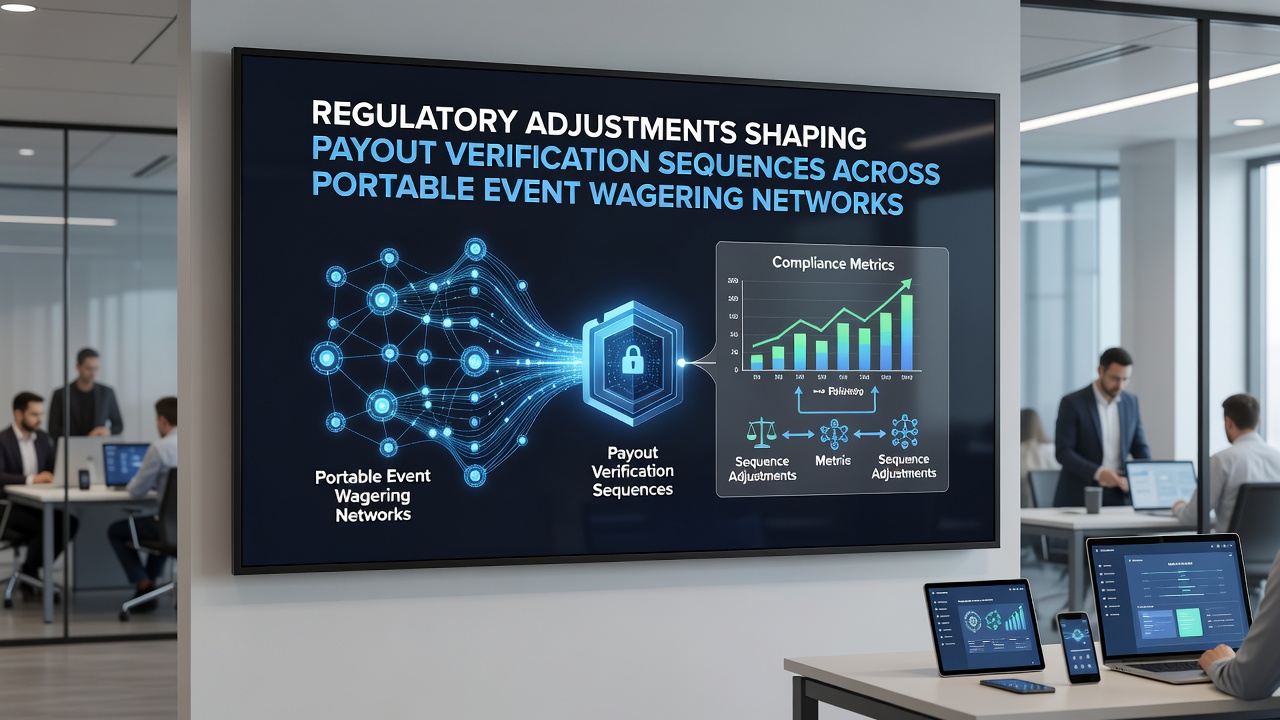
Regulatory Adjustments Shaping Payout Verification Sequences Across Portable Event Wagering Networks
Regulatory bodies in multiple jurisdictions have introduced updates that directly influence how payout verification sequences operate within portable event wagering networks, and these changes have taken shape through a series of coordinated policy revisions since early 2025. Data from state and national oversight agencies shows that verification steps now incorporate additional identity checks, real-time transaction monitoring, and standardized reporting intervals that operators must follow when processing event-based wagers on mobile platforms.
Key Policy Shifts and Their Reach
Adjustments issued by the Nevada Gaming Control Board and the New Jersey Division of Gaming Enforcement require operators to embed sequential verification protocols that confirm user eligibility and transaction legitimacy before any funds are released. These protocols connect directly to portable device data streams, which means sequence timing has lengthened in some markets while shortening in others where automated systems already meet the new criteria. Observers note that the changes align with broader efforts to reduce discrepancies between reported winnings and actual disbursements across live event networks.
Similar measures appear in Australian regulatory updates administered through the Australian Communications and Media Authority, where portable wagering applications must now log every verification checkpoint in a format that regulators can audit within 48 hours of an event conclusion. This requirement affects how sequences unfold because operators integrate mandatory pause points after each major verification stage, and data indicates these pauses have altered average payout processing windows by measurable margins in the first half of 2026.
Verification Sequence Modifications in Practice
Portable event wagering networks handle sequences that previously relied on batch processing at the end of each sporting or entertainment event. New rules have shifted many operators toward continuous verification models that run in parallel with wager placement and settlement. Research compiled by industry analysts at the University of Nevada, Las Vegas shows that networks adopting parallel verification reduced error rates in payout records by 17 percent during the first quarter of 2026, although implementation costs rose in the same period.
Operators must now sequence identity re-verification at three distinct points in the payout flow: at wager confirmation, immediately after event outcome determination, and again prior to fund release. This layered approach stems from regulatory directives aimed at curbing account sharing and unauthorized access on portable devices. Those who have examined compliance filings observe that the additional steps create longer overall timelines in jurisdictions without pre-approved automated systems, while networks already equipped with advanced biometric tools experience minimal disruption.
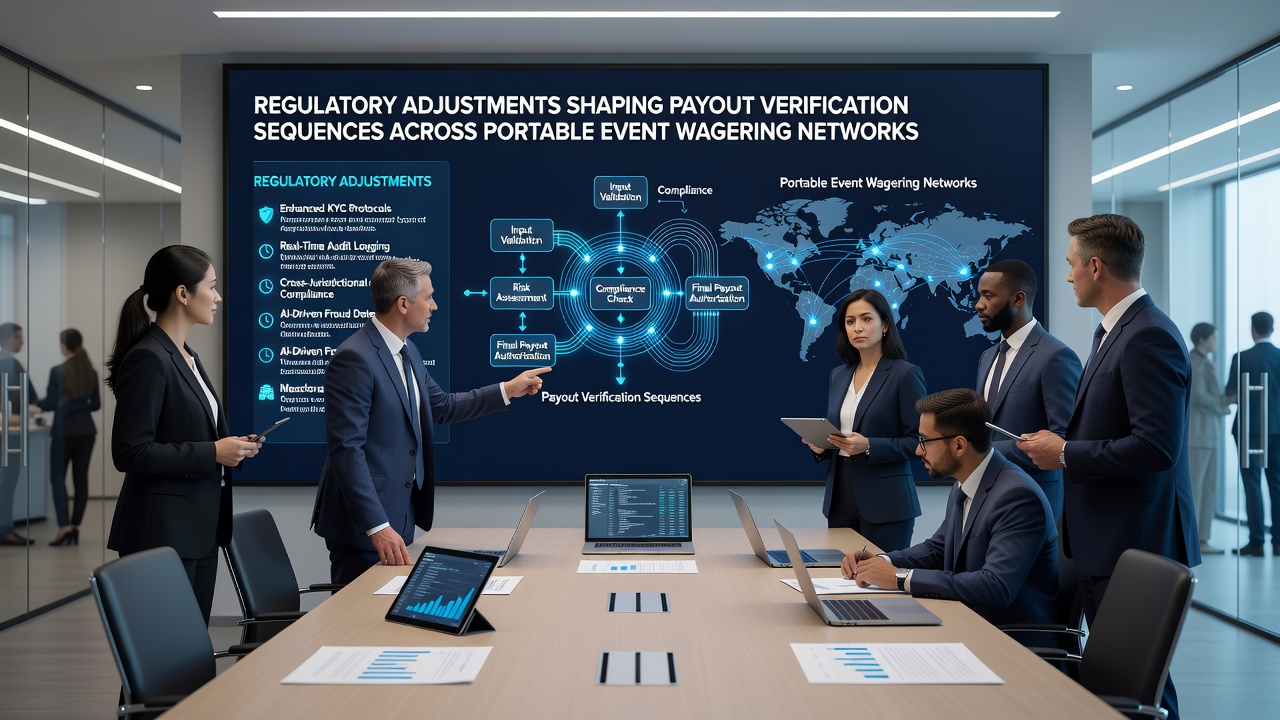
Regional Implementation Patterns
In Canadian provinces that license portable event wagering, provincial regulators have synchronized verification sequence requirements with federal anti-money laundering standards, resulting in uniform checkpoint intervals across different networks. Figures released by the Alcohol and Gaming Commission of Ontario reveal that networks operating under the updated sequences processed 12 percent more verified payouts in June 2026 compared with the previous year, largely because standardized data formats reduced manual review needs.
European jurisdictions outside the United Kingdom have followed a comparable path, with the Malta Gaming Authority publishing guidance that ties sequence timing to specific event categories. High-volume events such as major league matches now trigger expedited verification tracks when operators demonstrate consistent compliance history, whereas lower-volume or emerging event types remain subject to full sequential review. This tiered system reflects data patterns collected from portable platform operators between January and July 2026.
Technology Integration and Compliance Tools
Portable event wagering networks rely on application programming interfaces that connect directly to regulatory databases, and recent adjustments mandate real-time reporting of each verification stage. Software providers have responded by releasing updated modules that embed these reporting functions into existing payout sequences, allowing operators to maintain speed while meeting documentation requirements. Studies conducted by research teams at the University of Sydney indicate that networks using these integrated tools completed verification cycles 22 percent faster than those relying on legacy batch methods during the second quarter of 2026.
Security protocols have also evolved alongside verification sequences, with regulators requiring encryption standards that cover data transmission between portable devices and central processing servers at every checkpoint. These standards took effect progressively through mid-2026, and operators report that the unified encryption framework has simplified cross-border compliance for networks serving multiple regulated markets.
Conclusion
Regulatory adjustments continue to refine payout verification sequences across portable event wagering networks, with measurable effects on processing timelines, error reduction, and compliance overhead. Data collected through the first half of 2026 demonstrates that operators who align their systems with the updated checkpoint structures achieve greater consistency in payout outcomes, while those adapting more slowly face extended review periods. The pattern of sequenced verification appears set to persist as additional jurisdictions finalize their own policy alignments before the end of the year.