Synchronizing Verification Protocols with Rollover Timelines Across Device-Linked Wagering Sessions
Tina Braun · Aug 30, 2026
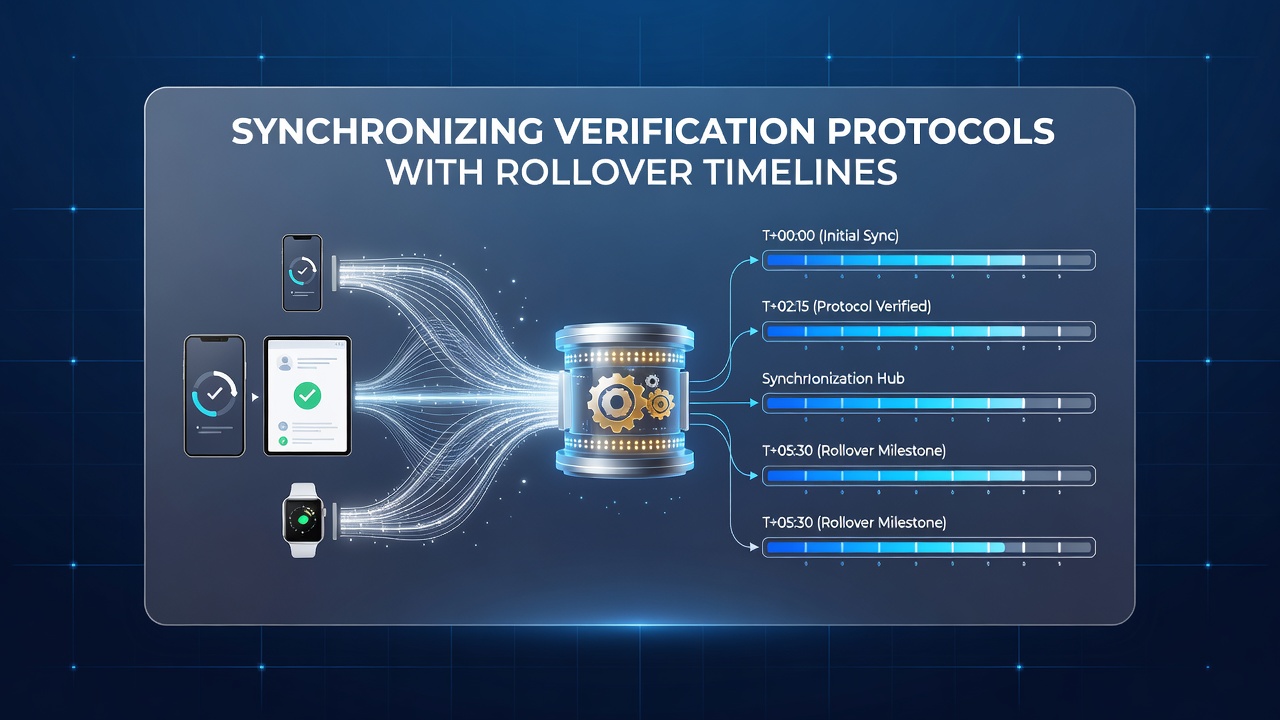
Synchronizing Verification Protocols with Rollover Timelines Across Device-Linked Wagering Sessions
Device-linked wagering sessions connect accounts across mobile phones, tablets, and desktop computers so players maintain continuous access while operators track activity in real time. Verification protocols confirm identity and comply with anti-money laundering rules, while rollover timelines set the playthrough periods required before bonus funds convert to withdrawable cash. Synchronization between these elements reduces interruptions when users switch devices during active sessions.
Device Linking Mechanics in Modern Platforms
Operators link sessions by assigning unique identifiers to each account that remain consistent across operating systems and browsers, and data from industry reports shows this approach supports seamless transitions without resetting progress toward rollover targets. In August 2026 several platforms introduced enhanced cross-device APIs that automatically sync verification status once a player completes initial checks on any single device. Those systems pull location data, device fingerprints, and transaction histories into a central profile so regulators receive unified reports rather than fragmented logs from separate endpoints.
Verification Protocols and Their Timing Requirements
Verification typically occurs at account creation, during large withdrawals, or after threshold deposits, and regulatory filings from the New Jersey Division of Gaming Enforcement indicate that most mobile operators now require full identity confirmation within 24 hours of the first deposit. When verification aligns with rollover timelines, the clock on bonus playthrough begins only after the account clears the check, which prevents players from accumulating ineligible wagers that later get voided. Observers note that mismatched timing forces manual reviews, and those reviews extend session downtime across all linked devices.
Challenges When Rollover Timelines Span Multiple Devices
Players often start a session on a phone during a commute, continue on a tablet at home, and finish on a desktop computer later that evening, yet each switch can trigger separate verification prompts if the backend does not maintain a unified status flag. Research from iGaming Ontario indicates that synchronized systems cut support tickets related to bonus eligibility by roughly 35 percent compared with platforms that treat each device as an independent session. The reality is that rollover calculations must reference a single ledger updated in real time so partial progress from one device carries forward without delay or duplication.
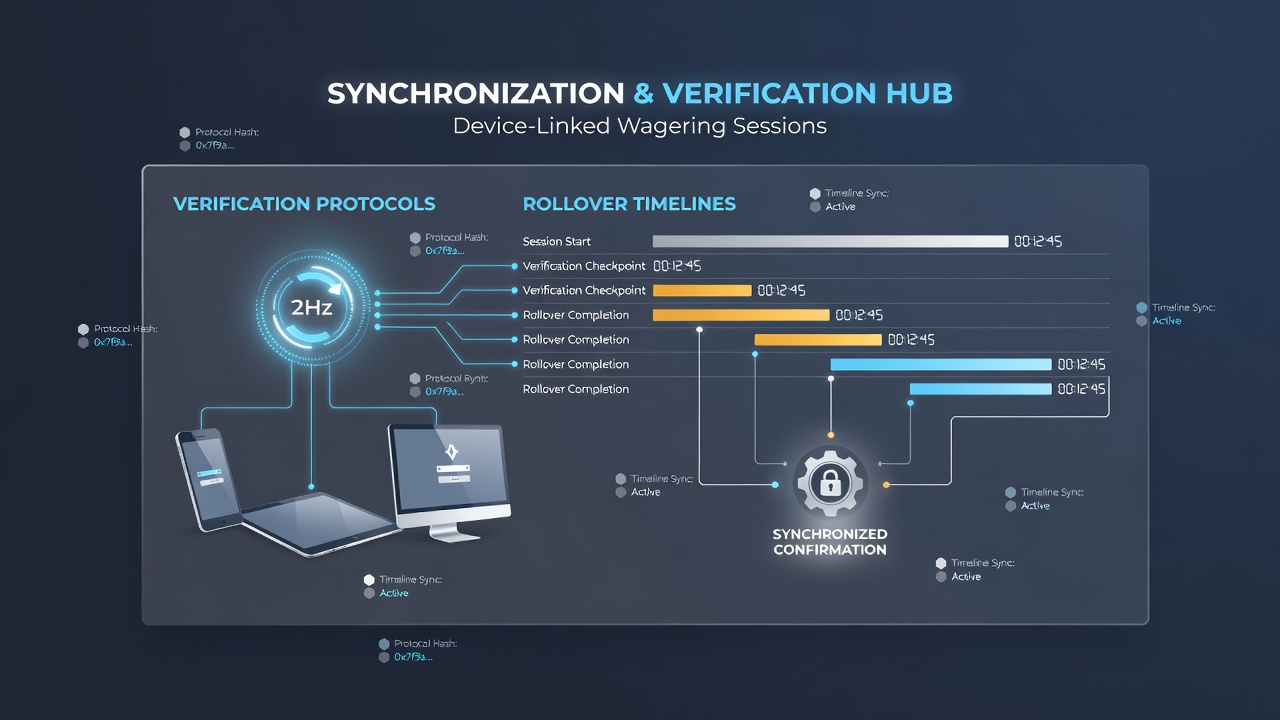
Take one operator that adjusted its verification window to match the start of each new bonus period, and that adjustment allowed the platform to pause rollover counting automatically during pending document reviews. Data shows this method kept total wagering volume stable while reducing disputes over expired bonuses.
Regulatory Developments Shaping Synchronization Standards
State and provincial regulators have begun requiring operators to document how verification events interact with bonus timelines across all connected devices, and filings submitted in mid-2026 reveal that several jurisdictions now request audit trails covering at least 18 months of session data. Those trails must demonstrate that a player could not bypass rollover requirements by switching devices during a verification hold. Industry associations in Australia and Canada have published joint guidelines that recommend timestamp synchronization within five seconds across all endpoints to satisfy those audit demands.
Technical Approaches to Real-Time Alignment
Platforms achieve alignment through centralized databases that store verification flags and remaining rollover amounts as single records updated by every device in the session, and engineers integrate event-driven triggers so a completed verification instantly unlocks pending rollover progress. Some systems employ edge computing nodes that cache the current status locally while the central ledger reconciles changes, which reduces latency when users move between networks. Reports compiled by academic researchers at the University of Nevada, Las Vegas highlight that such hybrid architectures maintain consistency even during brief connectivity losses common in mobile environments.
Implementation Examples from 2026
One major operator rolled out a unified verification dashboard in August 2026 that displays remaining rollover requirements alongside verification status on every linked device, and players receive push notifications when documents require renewal before the next bonus cycle begins. Another platform tested automated document expiry alerts tied directly to rollover deadlines, and early figures reveal fewer accounts reached the end of bonus periods with unclaimed funds because verification lapses were flagged weeks earlier. These examples illustrate how synchronization reduces friction without altering the underlying regulatory obligations.
Conclusion
Synchronization of verification protocols with rollover timelines across device-linked wagering sessions depends on unified data models, precise timing controls, and regulatory-compliant audit trails that function consistently on every connected endpoint. As platforms continue to refine these processes through 2026 and beyond, the focus remains on maintaining a single source of truth for both identity status and bonus progress so players experience uninterrupted sessions while operators meet oversight requirements from multiple jurisdictions.