Tracing Secure Payment Pathways That Bolster Retention in Live Casino Sessions and Event-Based Wagering Apps
Avery Bennett · May 22, 2026
Tracing Secure Payment Pathways That Bolster Retention in Live Casino Sessions and Event-Based Wagering Apps
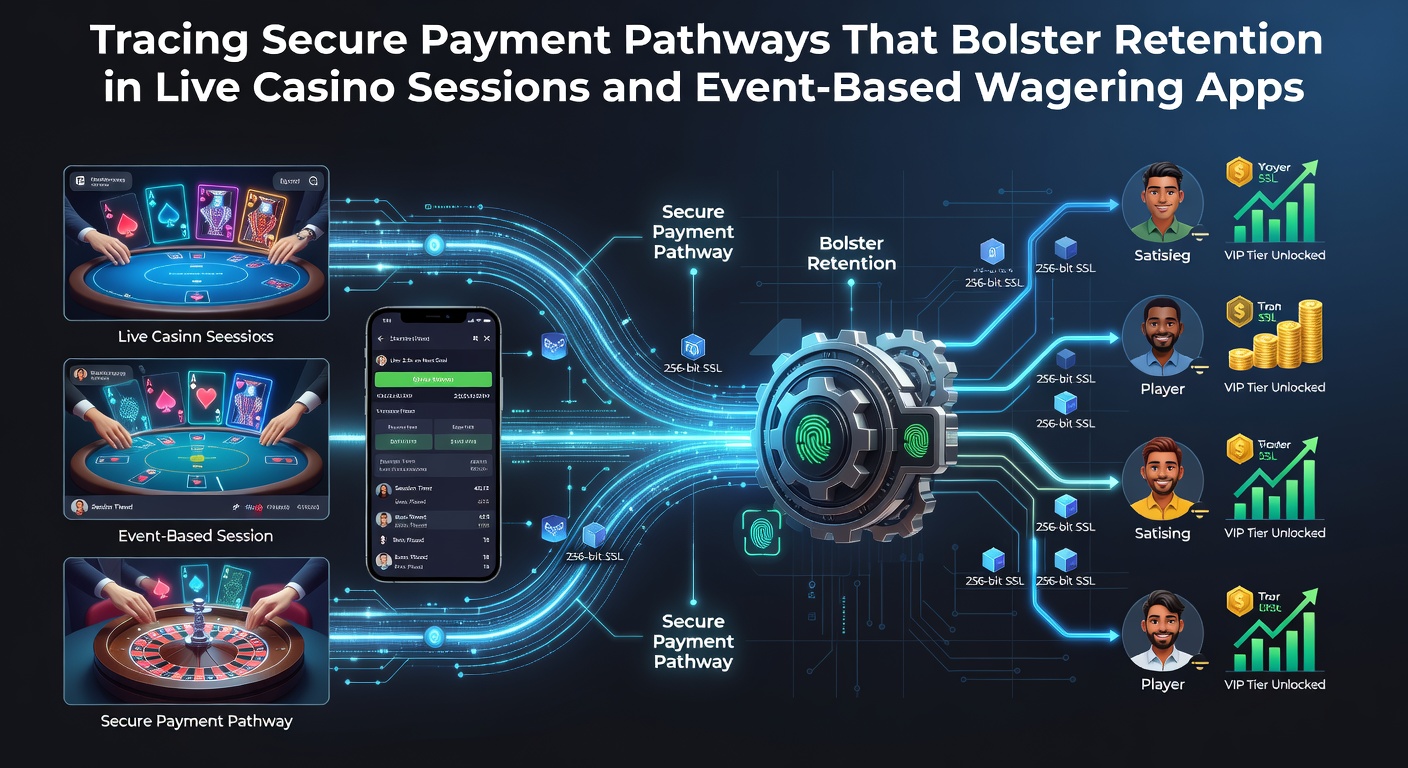
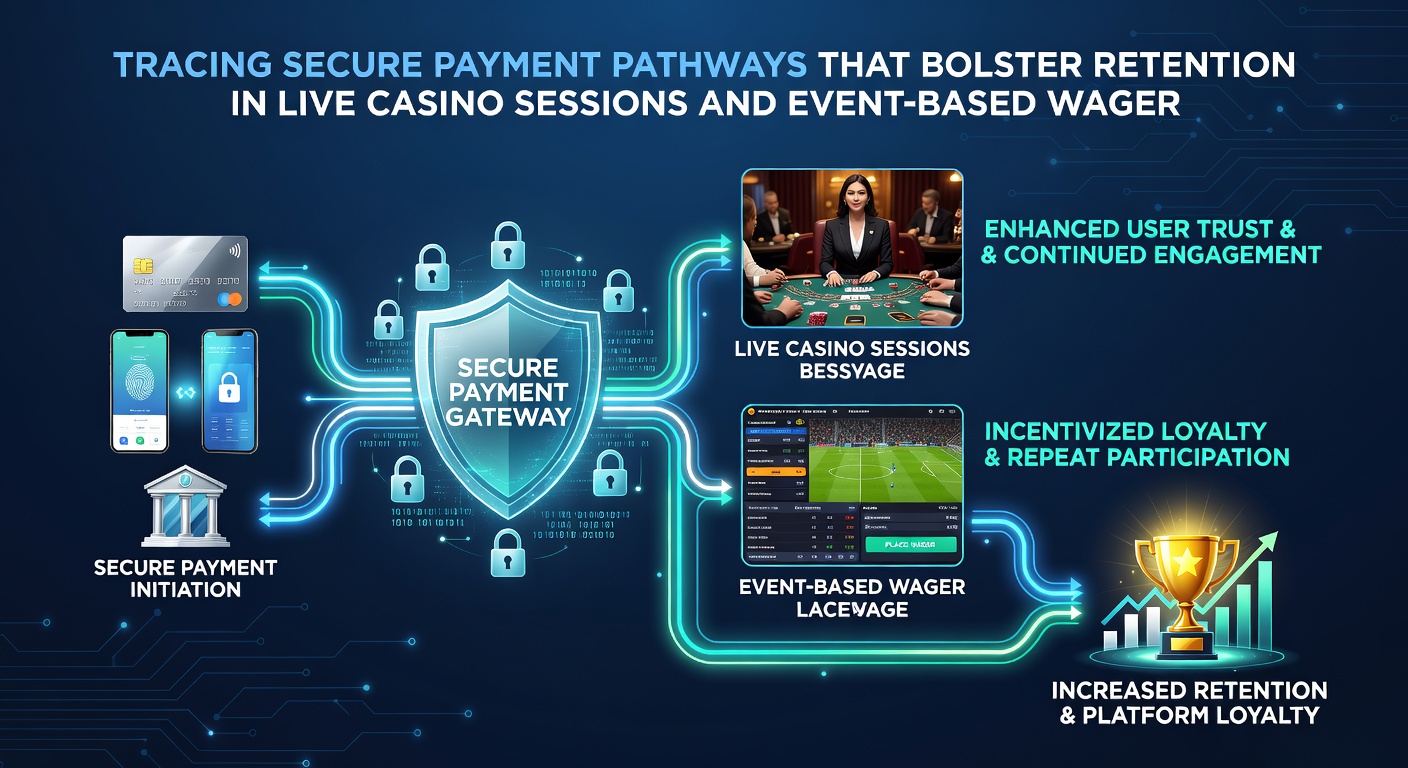
Payment pathways in live casino sessions and event-based wagering apps have evolved into sophisticated networks that prioritize encryption alongside speed, allowing users to move funds without interrupting real-time play. These routes often start with a verified deposit through digital wallets or tokenized bank transfers, then route through compliance checkpoints that verify identity and transaction limits before funds reach the gaming interface. Observers note that seamless integration at this stage reduces friction, which in turn supports longer engagement periods during live dealer tables or in-play sports markets.
Mapping the Core Transaction Layers
At the foundation lie multi-layered security protocols that include end-to-end encryption, tokenization of card details, and real-time fraud detection powered by machine learning models. Researchers have documented how these layers work together: a player initiates a deposit, the system generates a unique token rather than storing sensitive data, and the funds clear through regulated processors that cross-reference against sanction lists and spending patterns. This process typically completes in seconds during peak live events, such as NBA quarters or major tournament finals, where timing directly affects betting opportunities.
Event-based wagering apps extend these pathways further by embedding instant funding options within the live interface itself. Users can top up balances mid-session through pre-linked e-wallets while the game continues, avoiding any need to exit the screen. Data from industry reports indicates that such immediacy correlates with higher session durations, since players remain focused on the action rather than administrative steps.
Security Features Driving User Trust
Advanced authentication methods, including biometric verification and behavioral analytics, form another critical segment of these pathways. When a user attempts a withdrawal after a live roulette streak or a successful live bet on a championship match, the system analyzes prior activity to confirm legitimacy before releasing funds. According to figures released by the Nevada Gaming Control Board, platforms employing these checks report fewer disputes and faster resolution times for payout requests.
Regional differences shape how these features appear in practice. Platforms operating under Australian regulatory frameworks often emphasize mandatory cooling-off periods tied directly to payment histories, whereas North American operators focus on geofencing combined with device fingerprinting to maintain compliance across state lines. Both approaches ultimately feed into the same goal of preserving account integrity without slowing down live play.
Retention Patterns Linked to Payment Efficiency
Studies from the University of Nevada, Reno have examined how payment speed influences player return rates across mobile platforms. One analysis of session data revealed that users who experience sub-five-second deposit confirmations during live blackjack rounds tend to maintain active accounts for extended periods compared with those facing delays. The same research highlighted that event-based apps benefit particularly from this dynamic, because bettors often chase momentum across multiple live markets within a single evening.
Operators have responded by refining payout timelines through automated reconciliation systems that run in the background. These systems reconcile bets placed in real time with available balances, then flag any discrepancies for human review only when necessary. The result is a smoother cycle that encourages repeat participation, especially during high-stakes periods such as major league playoffs or international sporting events.
Developments Emerging in Mid-2026
By May 2026, several platforms had begun testing blockchain-based settlement layers that promise even greater transparency for live session transactions. Early implementations allow players to track every step of a deposit or withdrawal on a distributed ledger while still enjoying the speed required for in-play decisions. Initial reports suggest these additions have reduced reconciliation errors without introducing noticeable latency during active games.
Meanwhile, partnerships between payment processors and gaming operators continue to expand geographic coverage. Canadian provinces and select European jurisdictions have aligned on standardized security certifications that simplify cross-border account management, enabling users to carry verified payment profiles between different live casino environments and event wagering apps.
Conclusion
Secure payment pathways in these environments succeed when they balance rigorous verification with minimal interruption to live action. As platforms refine encryption methods, biometric checks, and automated reconciliation, retention metrics show measurable improvement across both casino sessions and event-driven betting. Continued alignment between technology providers and regulatory bodies points toward further streamlining that keeps users engaged from first deposit through final payout.