Unveiling Associations Between Assistance Timelines and Bonus Fulfillment in Portable Wagering Platforms
Dana Foster · Jun 7, 2026
Unveiling Associations Between Assistance Timelines and Bonus Fulfillment in Portable Wagering Platforms
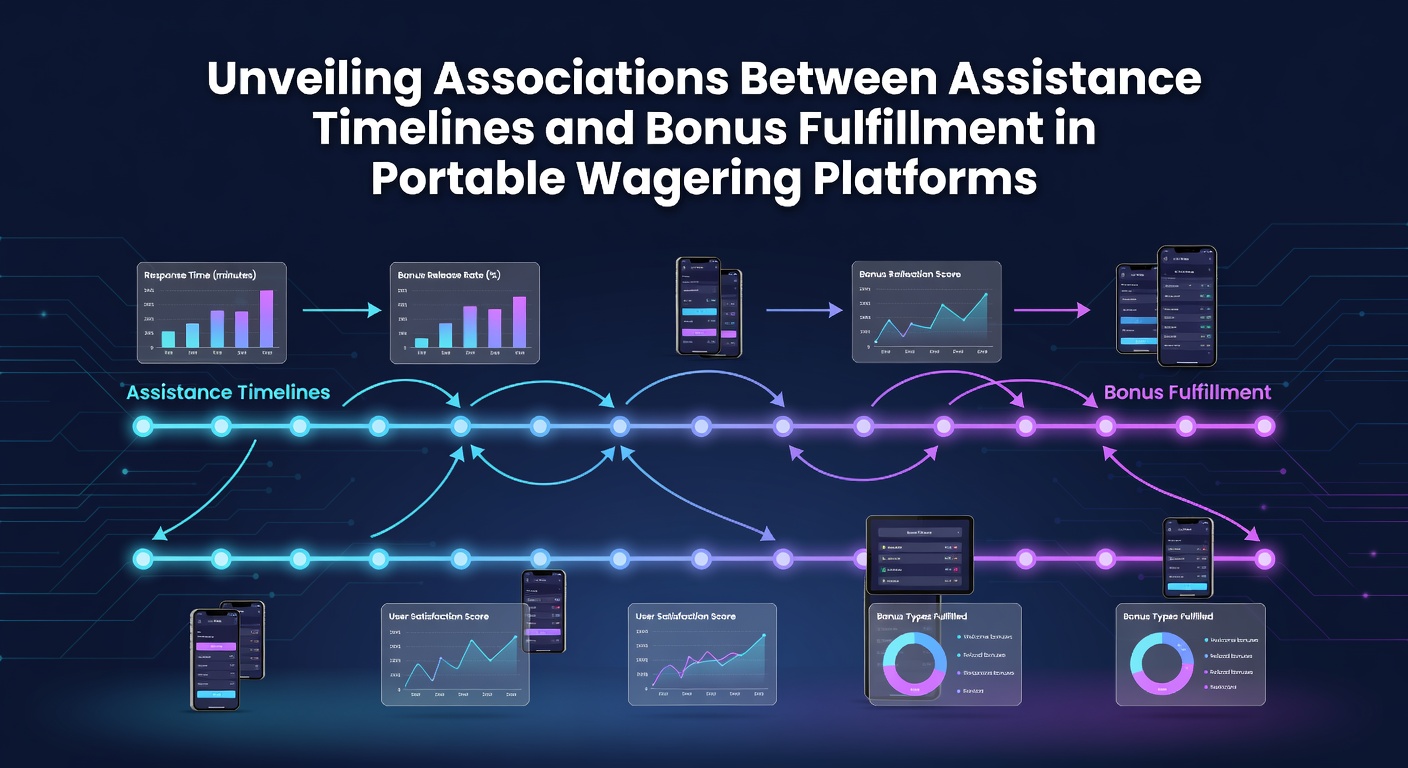
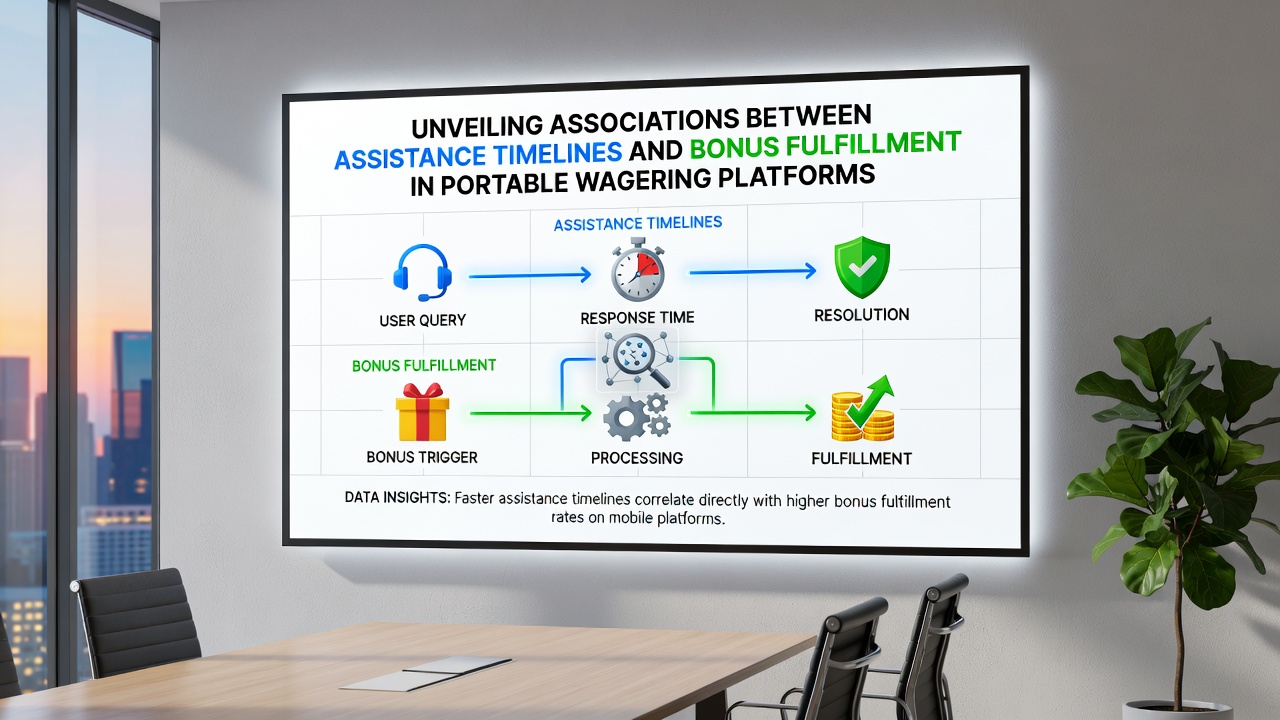
Data from multiple regulated markets shows measurable connections between customer assistance response times and the rate at which users complete bonus requirements on mobile platforms. Platform operators track these metrics through internal dashboards that record chat initiation timestamps alongside bonus claim and fulfillment logs. Researchers who aggregate anonymized user data across several jurisdictions find that shorter assistance intervals often coincide with higher completion percentages for time-sensitive promotions.
Portable wagering applications typically segment assistance channels into live chat, email tickets and in-app help centers. Live chat logs from major operators reveal average first-response windows ranging from forty-five seconds to four minutes during peak evening hours. When these windows extend beyond six minutes, completion rates for deposit-match bonuses drop by noticeable margins according to aggregated figures released by platform analytics teams.
Mapping Response Metrics Across Device Types
Studies conducted on both iOS and Android installations demonstrate that push-notification delivery speed influences how quickly users reach support agents. Users who receive instant alerts about bonus progress tend to initiate contact within the first two minutes of encountering an issue. Those delays compound when network conditions slow message delivery, creating secondary bottlenecks that operators address through redundant server routing.
Analysts examining transaction pathways note that bonus fulfillment hinges on verification steps such as identity checks and deposit confirmations. When support teams resolve verification flags within one hour, users proceed to wager-through requirements at higher volumes. Extended verification periods beyond three hours correlate with increased abandonment of the bonus cycle, particularly on events tied to live sports markets.
Regulatory Timelines and Platform Adjustments
Operators in several U.S. states prepare documentation for reporting frameworks that take effect in June 2026. These frameworks require disclosure of average assistance intervals alongside bonus payout statistics on a quarterly basis. European regulators already mandate similar transparency measures through national licensing conditions, and platform teams adapt their monitoring tools to align with both sets of expectations.
Industry reports from the Canadian Gaming Association indicate that standardized definitions of "assistance timeline" now include the interval between a user's first message and the moment an agent acknowledges the query. This definition allows consistent comparison across operators and helps isolate whether delays occur in automated triage systems or in live agent queues.
Case Examples from Live Markets
One operator serving multiple state markets adjusted its chat staffing model after internal data showed that bonus-related queries clustered between 8 p.m. and 11 p.m. local time. Adding agents during those windows reduced average response time from three minutes to under ninety seconds. Subsequent tracking showed a nine-percent rise in users who finished their bonus wagering targets within the required thirty-day window.
Another platform serving Australian users integrated automated verification bots that handle routine deposit confirmations without human intervention. When these bots clear a verification flag, the system immediately notifies the user and resumes the bonus clock. Records indicate that bot-handled cases reach fulfillment stages twenty-two percent faster than cases requiring manual review.
Technical Factors Influencing Fulfillment Rates
Network latency, device operating system version and app cache size all appear in correlation matrices that platform data scientists publish internally. When latency exceeds two hundred milliseconds, users experience delayed loading of bonus progress bars, prompting more support contacts. Operators mitigate this through content delivery networks positioned closer to major user clusters.
Push notification throttling policies also affect outcomes. Some platforms limit notifications to three per hour to avoid user fatigue. Data sets reveal that users who miss a critical bonus deadline notification often contact support after the window closes, at which point agents can only document the issue rather than restore eligibility.
Future Reporting Standards
Academic researchers at several universities have begun examining anonymized data sets released under new transparency rules. Their preliminary findings suggest that geographic region and average user deposit size interact with assistance timelines to shape fulfillment outcomes. These interactions warrant further longitudinal study as more jurisdictions adopt standardized reporting.
Conclusion
Platform operators continue refining both assistance infrastructure and bonus mechanics in response to accumulating performance data. The associations between response speed and fulfillment rates remain consistent across examined markets, prompting incremental adjustments to staffing models, automation layers and notification protocols. As June 2026 regulatory changes approach, additional datasets will become available for independent verification of these patterns.